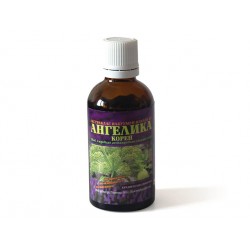


Angelica (Angelica pancicii) is an aromatic perennial plant from the Apiaceae family. Its root is used as an herbal raw material and is valued for its characteristic aroma and content of naturally occurring bitter and aromatic plant compounds. In traditional herbal practice, angelica is particularly interesting for its traditional use in connection with loss of appetite, digestive discomfort and metabolic processes.
History and origin of angelica:
Different species of the genus Angelica have a long history of use in traditional European phytotherapy. Aromatic bitter herbs have been used for centuries before meals in cases of temporary loss of appetite and to support normal digestion. Angelica belongs to this group of traditionally used plants.
Angelica and its traditional use for loss of appetite:
One of the best-known traditional uses of angelica root is associated with loss of appetite. The root contains bitter compounds which, in traditional phytotherapy, are used as aromatic bitters to stimulate appetite and prepare the digestive system for food intake.
Traditionally, bitter-tasting herbs are taken before meals because they are associated with stimulating natural digestive processes. For this reason, angelica is of interest to people looking for a traditional herbal remedy to support appetite and normal digestion.
The bitter taste is perceived by specialized receptors in the oral cavity and digestive system. This is associated with natural physiological responses, including salivation and preparation of the digestive tract for food intake. This principle forms the basis of the traditional use of so-called bitters before meals.
Angelica root contains a combination of bitter and aromatic compounds, placing it among the plants traditionally used for this purpose. Its characteristic bitterness is one of the main reasons the herb has been included in traditional preparations aimed at supporting appetite and digestive comfort.
Why do we lose our appetite and when should loss of appetite not be ignored?
Temporary loss of appetite can have many different causes - stress, fatigue, changes in eating habits, emotional tension, temporary digestive discomfort or another short-term cause. Reduced appetite can also be associated with infections, diseases of the digestive system, metabolic or hormonal disorders, certain medications and other medical conditions.
Prolonged loss of appetite can lead to insufficient intake of calories, protein, vitamins and minerals, weight loss, fatigue and a gradual deterioration of nutritional status. Therefore, it should not be ignored, especially when it persists for a long time, occurs without an obvious cause or is accompanied by unexplained weight loss, persistent fatigue, pain, prolonged digestive complaints, nausea or other unusual symptoms. In such cases, medical evaluation is necessary rather than relying solely on herbal remedies.
How may angelica support appetite?
The connection between bitter taste and appetite is well known in traditional European herbal practice. The consumption of bitter plant compounds before meals has traditionally been regarded as a way of preparing the digestive system for the upcoming meal.
Bitter compounds found in plants have traditionally been used as part of practices aimed at naturally stimulating appetite. In the case of angelica, this effect is associated with the characteristic bitter taste of the root and its combination of bitter and aromatic plant compounds.
When appetite is temporarily reduced, the use of an aromatic bitter herb such as angelica may form part of a traditional approach to supporting the desire to eat and normal digestive comfort.
It is important, however, to distinguish between traditional use and the treatment of a medical condition. Angelica should not be regarded as a treatment for a disease causing loss of appetite.
Angelica and digestive comfort:
The traditional use of angelica is not limited to appetite. Due to its characteristic bitter and aromatic profile, the root is also used in herbal practice to support normal digestion.
Herbal bitters are traditionally taken before meals because they are associated with the natural preparation of the digestive system. For this reason, angelica may be of interest to people experiencing a temporary decrease in appetite, a feeling of heaviness or reduced digestive comfort.
In traditional Bulgarian medicine, angelica is also associated with use for various digestive and liver-related complaints, as well as disturbances in metabolic processes. These applications are part of folk herbal tradition and should not be regarded as proven treatments for specific diseases.
What does angelica root contain?
Angelica root contains various naturally occurring plant compounds, including bitter compounds, aromatic components, essential oil, coumarin derivatives and other phytochemical substances.
The combination of its bitter and aromatic profile is particularly relevant to the traditional use of the plant. The composition of the herb may vary depending on the specific species, geographical origin, growing conditions and methods of harvesting and drying.
It is important to emphasize that the presence of certain plant compounds does not automatically mean that a proven therapeutic effect exists in humans. When discussing the properties of angelica, a distinction should be made between the traditional use of the herb and scientifically established treatment of diseases.
Angelica in Bulgarian folk medicine:
Angelica has a place among the medicinal plants traditionally used in Bulgaria. Its root is included in various traditional home herbal preparations, with some of the best-known areas of use being loss of appetite, digestive complaints and disturbances in metabolic processes.
Traditionally, the plant is also associated with use for liver-related complaints, gout and other conditions in which folk medicine sought to support the natural functions of the digestive and urinary systems.
This places angelica within a broader European tradition of using aromatic bitter plants, most often taken before meals to support appetite and digestive comfort.
3 traditional ways to use angelica for loss of appetite:
Angelica root has a characteristic bitter taste and strong aroma, which is why it is traditionally used in small amounts. Different herbal traditions include several ways of preparing it.
1. Water infusion of angelica root: Chopped or crushed root is covered with cold or lukewarm water and left to steep for a certain period of time, after which the liquid is strained. This traditional method is used to obtain a water extract from the herbal material.
2. Decoction of angelica root: The root is placed in water, brought to a boil and simmered briefly, after which the liquid is strained. Decoctions are traditionally preferred for preparing denser plant parts such as roots and bark.
3. Angelica as a bitter herbal drink before meals: In traditional phytotherapy, bitter herbs are often used before meals. Angelica root may be included in an herbal combination with other aromatic bitter plants, with the aim of using its characteristic bitter taste as part of traditional practices for stimulating appetite and preparing the digestive system.
When using angelica, it is important to follow the specific herbal recipe and recommended amount. Due to the presence of biologically active plant compounds, it is not advisable to increase the amount arbitrarily or use it for prolonged periods without appropriate professional advice.
Angelica for loss of appetite - what is important to know?
Angelica is a traditional bitter herb with a long history of use in folk and European phytotherapeutic practice. Its best-known traditional applications are associated with loss of appetite, digestive comfort and the traditional use of bitter plants before meals.
When reduced appetite is temporary and there are no other concerning symptoms, traditional herbal remedies may form part of an overall approach to eating and maintaining digestive comfort. However, if loss of appetite is prolonged, severe or accompanied by weight loss and other symptoms, the underlying cause should be assessed by a medical professional.
For people looking for a traditionally used herb for loss of appetite and digestive discomfort, angelica root represents an interesting part of Bulgarian and European herbal tradition.