Angelica
Angelica pancicii Vand.
Other names: Marsh Angelica, Bog Angelica
History and origin:
Angelica (Angelica pancicii Vand.) is an aromatic perennial herbaceous plant from the Apiaceae family, known in traditional Bulgarian herbal practice as Pishyalka. The root of the plant is used as an herbal raw material and is valued for its content of naturally occurring bitter and aromatic compounds.
Plants of the genus Angelica have a long history in traditional European phytotherapy. Different Angelica species have been used for centuries as aromatic bitter herbs, particularly in connection with appetite, digestion and the general maintenance of the body's natural functions.
In Bulgarian folk medicine, Pishyalka is primarily known for the use of its root. Traditionally, it is used for loss of appetite, digestive discomfort and metabolic disturbances, as well as for various complaints associated with the liver and urinary system.
Description of the plant:
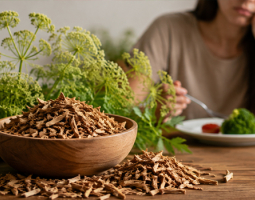
Angelica (Pishyalka) is a perennial herbaceous plant with an upright stem that can reach considerable height under suitable conditions. The leaves are large and characteristically divided, while the flowers are small, usually light-colored, and arranged in the typical umbrella-shaped inflorescences characteristic of the Apiaceae family.
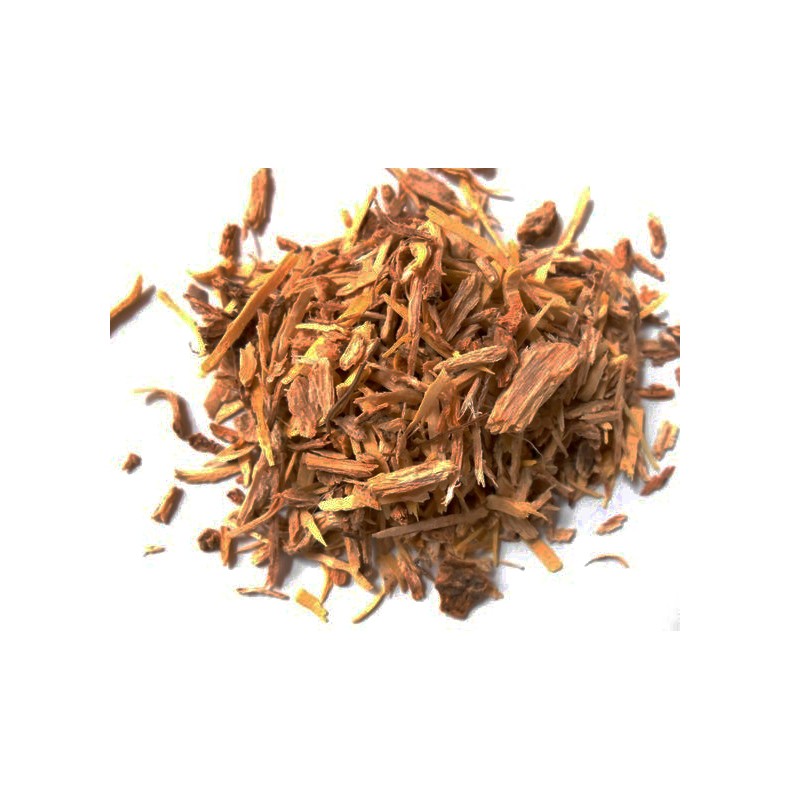
The underground part of the plant develops a well-formed root, which represents the valuable herbal raw material. The root has a characteristic aroma and contains various naturally occurring plant compounds, including bitter components and aromatic compounds.
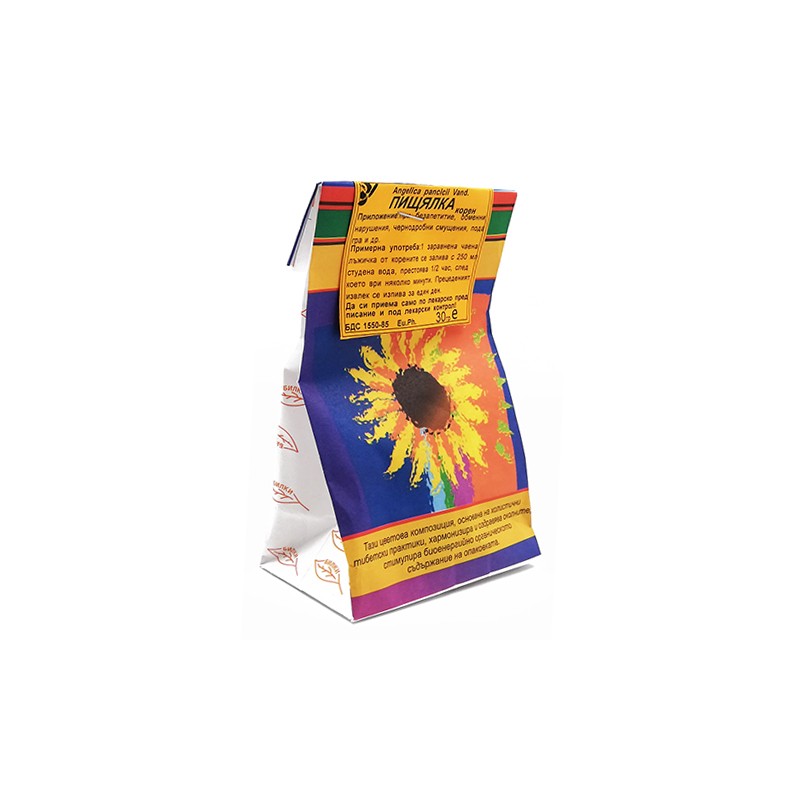
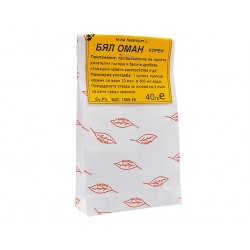
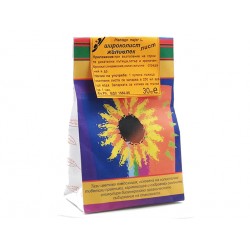
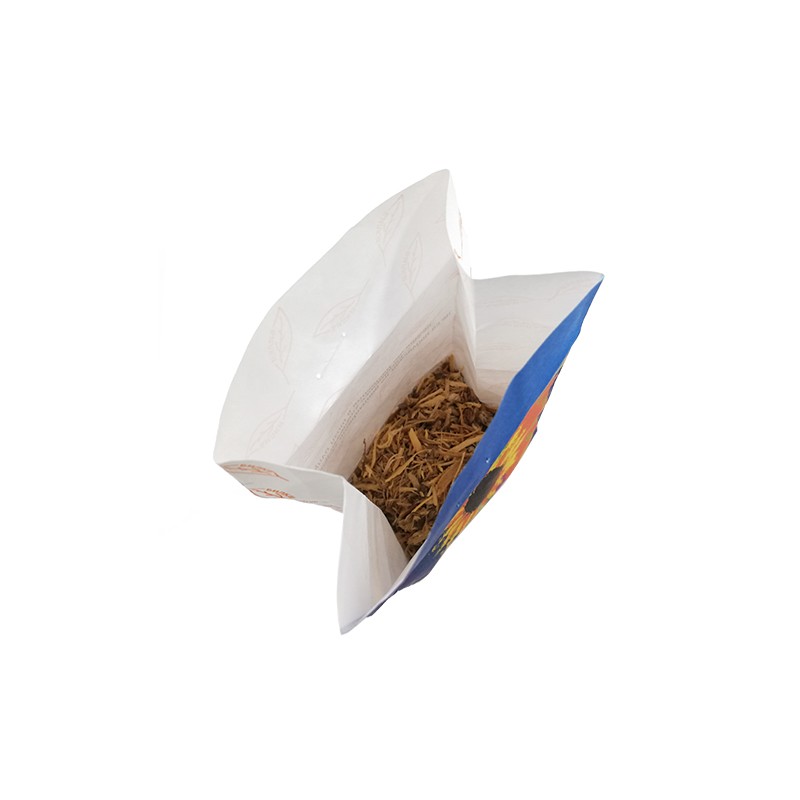
The Zdravnitza product consists of dried Angelica (Pishyalka) root - Angelica pancicii Vand., intended for traditional preparation of herbal extracts.
Angelica for loss of appetite:
One of the best-known traditional uses of Angelica root is associated with loss of appetite. The root contains bitter compounds which, in traditional phytotherapy, are used as aromatic bitters to stimulate appetite and prepare the digestive system for food intake.
Traditionally, herbs with a bitter taste are consumed before meals because they are associated with stimulating natural digestive processes. For this reason, Angelica may be suitable for people looking for a traditional herbal aid to support appetite and normal digestion.
Loss of appetite, however, can be associated with many different causes. If it is persistent, sudden, or accompanied by unexplained weight loss, persistent fatigue, pain or other symptoms, medical consultation is recommended.
Angelica and normal metabolism:
In Bulgarian folk medicine, Pishyalka is also traditionally associated with supporting normal metabolism. This use is part of the broader tradition of using aromatic bitter plants to support digestive and metabolic processes in the body.
Normal metabolism represents a complex system of processes through which the body utilizes nutrients, converts them into energy and maintains its vital functions. In traditional phytotherapy, herbs such as Angelica are used as part of a holistic approach to maintaining digestive comfort and the body's natural functions.
Angelica should not be regarded as a treatment for any specific metabolic disease. In cases of diagnosed metabolic disorders, the condition should be assessed by a medical professional.
Angelica for digestive comfort:
Angelica root is traditionally used as an aromatic bitter herb associated with supporting digestion. Bitter plant compounds are a characteristic group of substances used in European phytotherapeutic tradition to stimulate digestive processes.
Traditional use of the root includes the preparation of herbal extracts that are consumed before meals. In this way, Angelica fits into traditional herbal practices for people experiencing a temporary decrease in appetite or a feeling of heaviness and discomfort after eating.
Angelica and liver function:
In Bulgarian folk medicine, Pishyalka is also traditionally used for various liver-related complaints. This use is associated with the traditional understanding of the role of bitter aromatic herbs in supporting the digestive system and normal bile function.
It is important to emphasize that the traditional use of Angelica for liver-related complaints does not represent a proven treatment for liver disease. In cases of diagnosed liver or biliary tract disease, the use of herbal products should be discussed with a doctor beforehand.
Angelica for gout and the urinary system:
Angelica root also has a place in traditional Bulgarian use for gout and other complaints associated with metabolism. Historically, herbal practices have associated the plant with supporting the body's natural elimination processes and maintaining normal bodily functions.
This traditional use should not be considered a substitute for medical treatment of gout. In cases of diagnosed gout or elevated uric acid levels, it is important to follow the recommendations of a medical professional.
Composition and characteristic plant compounds:
Angelica root contains naturally occurring bitter compounds, aromatic compounds, essential oil, coumarin derivatives and other plant constituents. The combination of aromatic and bitter compounds is one of the reasons why the root has traditionally been used as an herbal raw material.
The chemical composition of plants of the genus Angelica may vary depending on the species, origin, growing conditions and drying method. The presence of specific plant compounds alone does not constitute evidence of a specific therapeutic effect in humans.
Why is the root specifically used?
The root is the part of the plant most commonly used as an herbal raw material. It is rich in aromatic and bitter plant compounds and is dried before being used to prepare herbal extracts.
Unlike some other parts of the plant, the root has a more concentrated aroma and characteristic bitter taste, which is why it is traditionally used in relatively small amounts. These qualities make it a valuable component of traditional herbal practices focused on appetite and digestion.
Angelica in Bulgarian folk medicine:
Pishyalka has a place in the Bulgarian tradition of using wild medicinal plants. The root is used in various homemade herbal recipes, mainly for loss of appetite, digestive complaints and metabolic disturbances.
Traditional use also includes applications for liver-related complaints, gout and other conditions for which Bulgarian folk medicine has sought support for the natural functions of the digestive and urinary systems.
Today, interest in Angelica is part of the broader interest in traditional European bitter herbs - plants traditionally used before meals to support appetite and digestive comfort.
How to use Angelica root?
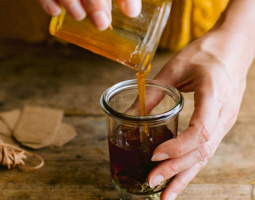
The dried root can be used to prepare a traditional water extract or decoction. Due to its characteristic bitter taste, it is used in relatively small amounts, and traditional use is often associated with consumption before meals.
When using it for the first time, it is reasonable to start with a small amount. If stomach discomfort, nausea or another adverse reaction occurs, use should be discontinued.
Important information regarding use:
Angelica is not suitable for everyone. Due to its content of biologically active plant compounds, caution is required during pregnancy and breastfeeding, in children, and in people with diagnosed medical conditions or those taking medication.
In cases of liver or biliary tract disease, gallstones, gout or other chronic conditions, the use of the product should preferably be discussed with a doctor or pharmacist beforehand.
In cases of persistent loss of appetite, unexplained weight loss, persistent digestive complaints or other symptoms, do not rely solely on herbal remedies and seek medical evaluation.
Angelica - dried root
Use: traditionally used as an herbal aid for loss of appetite, digestive discomfort, metabolic disturbances, liver-related complaints, gout and other complaints.
Preparation:1 teaspoon of the herb is poured over 250 ml of cold water, left to stand for 1/2 hour, and then boiled for several minutes. The strained extract is consumed over the course of one day.
Use only as prescribed by a doctor and under medical supervision!
Packaging: 30 g
Frequently Asked Questions (FAQ):
What is Angelica root most commonly used for?
In Bulgarian folk medicine, Angelica (Pishyalka) root is best known for its traditional use in cases of loss of appetite, digestive discomfort and metabolic disturbances. It is also traditionally used for liver-related complaints, gout and other conditions.
Does Angelica help with loss of appetite?
Loss of appetite is one of the traditional areas of use of Angelica root. The bitter compounds in the root are associated with the traditional use of the herb before meals to stimulate appetite and support digestive processes.
How is Angelica associated with metabolism?
In Bulgarian folk medicine, Pishyalka is traditionally used as part of herbal practices aimed at supporting normal metabolic and elimination processes. This does not mean that the product treats a specific metabolic disease.
Can Angelica root be used for digestive discomfort?
Yes. Traditional use of the root is associated with supporting appetite and digestion. Its characteristic bitter and aromatic compounds are one of the reasons why the plant has been used traditionally as a bitter herb.
Is Angelica used for liver-related complaints?
Yes, this is one of the traditional uses of Pishyalka in Bulgarian folk medicine. In cases of diagnosed liver or biliary disease, however, the herb should not replace medical treatment, and prior consultation with a healthcare professional is recommended.
Is Angelica used for gout?
Angelica root is traditionally mentioned in connection with gout and metabolic disturbances. In cases of diagnosed gout, the herb should not be used as a substitute for prescribed therapy.
When is the best time to take Angelica for loss of appetite?
In traditional phytotherapy, bitter herbs are generally consumed before meals because they are used to stimulate appetite and prepare the digestive system. The specific method of use should be based on the recipe being followed.
What does Angelica root taste like?
The root has a characteristic aroma and distinctly bitter taste, typical of many traditionally used bitter herbs. This bitterness is associated with its traditional use for appetite and digestion.
Is Angelica suitable for long-term use?
For prolonged use, consultation with a doctor or pharmacist is recommended, especially if you are taking medication or have a chronic medical condition. A herb does not need to be taken continuously simply because it is a natural product.
Is Angelica root suitable for children?
Use in children is not recommended without prior consultation with a pediatrician or another qualified healthcare professional.
Can Angelica be used during pregnancy and breastfeeding?
Due to insufficient safety data, use during pregnancy and breastfeeding is not recommended without the explicit advice of a healthcare professional.