
Speedy
To a locker
- Up to 3 kg From 30 EUR
- Over 3 kg From 50 EUR
To an office
- Up to 3 kg From 40 EUR
- Over 3 to 20 kg From 50 EUR
- Over 20 kg From 100 EUR
To an address
- Up to 10 kg From 60 EUR
- Up to 20 kg From 100 EUR


No products
3,10 €
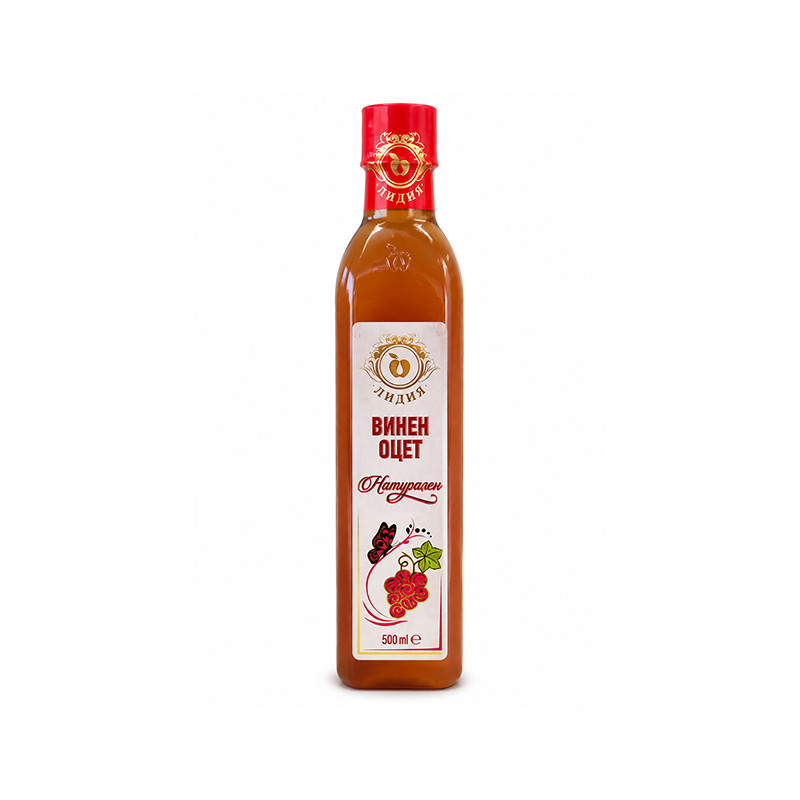
"Lydia" Wine Vinegar is a natural grape vinegar made exclusively from grape wine through traditional acetic acid fermentation. It has a characteristic sour taste, a natural aroma and an unfiltered consistency, which may result in the formation of fine natural sediment. It contains no colourings or additives.
With an acidity of 4.5%, this wine vinegar is suitable for a wide range of culinary uses - seasoning salads, preparing marinades and sauces, making pickles and adding flavour to traditional homemade dishes. Its distinctive taste provides a pleasant acidity and enhances the natural aroma of the ingredients.
Wine vinegar is one of the oldest known products of fermentation. Its history is closely linked to that of wine. Even in ancient times, people noticed that when wine was left in contact with air for an extended period, its taste and properties gradually changed, developing the characteristic acidity of vinegar.
Vinegar was known in Ancient Babylon and Ancient Egypt and later became widely used in Ancient Greece and Rome. It was used to flavour food, preserve various products and prepare refreshing drinks. The Romans, for example, made a drink from water and vinegar known as posca, which was commonly consumed by soldiers.
Throughout the centuries, vinegar has also been used in traditional home preparations and folk medicine. Various medicinal properties were attributed to it in the past, but today its primary use remains culinary - as a natural acidic ingredient, flavour enhancer and aid in food preservation.
Wine vinegar is obtained through a natural process of acetic acid fermentation. During this process, acetic acid bacteria convert the alcohol in wine into acetic acid in the presence of oxygen. This is what gives the finished product its characteristic sour taste and aroma.
In the production of "Lydia" wine vinegar, grape wine is used as the main raw material and undergoes traditional acetic acid fermentation. The result is a natural vinegar with distinctive flavour characteristics and an acidity of 4.5%.
Unfiltered wine vinegar retains its natural cloudiness and may contain fine particles formed during fermentation and natural clarification. Over time, sediment may settle at the bottom of the bottle.
This is a natural process and, in itself, is not a sign of spoilage or reduced quality. Simply shake the bottle well before use to distribute its contents evenly.
Wine vinegar is a traditional part of the food culture of many nations. Its main characteristic component is acetic acid, which gives it its distinctive sour taste and contributes to its culinary properties.
Scientific research has examined the effect of acetic acid on carbohydrate digestion and blood glucose responses after meals. Some findings suggest a possible effect when vinegar is consumed alongside carbohydrate-rich foods, but the available evidence is still insufficient to draw definitive conclusions about long-term health benefits.
As a culinary ingredient, natural wine vinegar can be part of a varied and balanced diet. It adds a rich flavour to dishes and allows you to prepare aromatic dressings and sauces with less added fat.
Thanks to its distinctive acidity and aroma, wine vinegar has a wide range of uses in home cooking. It pairs well with fresh vegetables as well as various meat and vegetable dishes.
1. Classic Dressing for a Fresh Salad
Mix 3 tablespoons of olive oil, 1 tablespoon of wine vinegar, 1 teaspoon of mustard, a little honey, salt and black pepper. Stir well until evenly combined. Use to season green salads, tomatoes, cucumbers or rocket salads.
2. Meat Marinade with Wine Vinegar and Herbs
Mix 3 tablespoons of wine vinegar, 4 tablespoons of olive oil, 2 crushed garlic cloves, rosemary, thyme, black pepper and a little salt. Place the meat in a suitable dish, pour over the marinade and leave in the refrigerator for several hours. Suitable for pork, beef and chicken.
3. Pickled Red Onion
Cut 2 red onions into thin half-moons. Heat 100 ml of water with 100 ml of wine vinegar, 1 tablespoon of sugar and 1/2 teaspoon of salt. Pour the warm mixture over the onions and leave to cool. Store in a sealed container in the refrigerator and serve as a side dish with sandwiches, salads, burgers and meat dishes.
4. Aromatic Honey and Wine Vinegar Sauce
Mix 2 tablespoons of wine vinegar, 1 tablespoon of honey, 3 tablespoons of olive oil, a little mustard and a pinch of black pepper. Stir until smooth. Suitable for roasted vegetables, salads, cheese and poultry dishes.
Red wine vinegar made from grape wine.
Made according to a traditional recipe through acetic acid fermentation. Unfiltered, unpasteurised.
Contains no preservatives, colourings or improvers.
Acidity: 4.5%
Use for culinary purposes - to season salads and prepare marinades, sauces, pickles and other dishes according to your preferences.
Shake the bottle well before use. Natural sediment may form as a result of the natural clarification process.
Store in a suitable place, away from direct sunlight and sources of heat. Keep the bottle tightly closed after opening.
Packaging: 500 ml in a clear plastic bottle
 BIO Apple Cider Vinegar, natural cloudy, Voelkel, 750 ml
4,50 €
 Apple cider vinegar, unfiltered, Lydia, 1 liter
4,40 €
 Apple vinegar, pure and natural, Lydia, 500 ml
3,10 €
 Apple Vinegar, Longevity Series, 750 ml
3,00 €
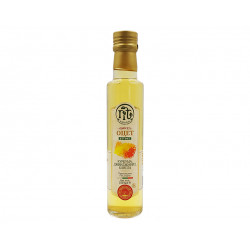 Detox Vinegar with turmeric, ginger and cinnamon, Vinoceti, 250 ml
3,20 €
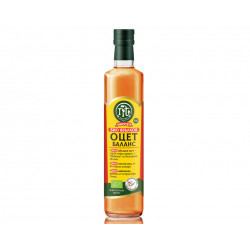 BIO Apple Cider Vinegar - Balance with honey and Ceylon cinnamon, Vinoceti, 500 ml
4,60 €
 Apple cider vinegar - unfiltered, Vinoceti, 500 ml
3,80 €
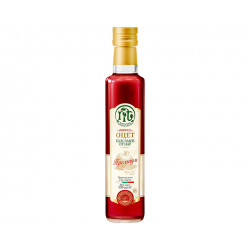 Balsamic vinegar from pomegranate, Vinoceti, 250 ml
5,68 €
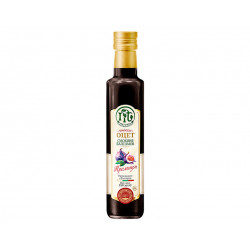 Balsamic vinegar from figs, Vinoceti, 250 ml
5,50 €
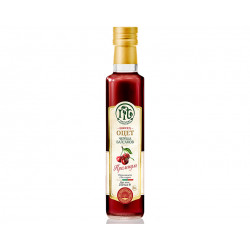 Balsamic cherry vinegar, Vinoceti, 250 ml
6,34 €