Bee pollen is one of the most fascinating natural products created by honeybees. Collected from the flowers of various plants, it is characterised by a rich and diverse composition that includes proteins, amino acids, carbohydrates, lipids and plant compounds such as polyphenols and flavonoids. This natural diversity makes bee pollen a valuable part of traditional apitherapy and a product that continues to attract the interest of researchers.
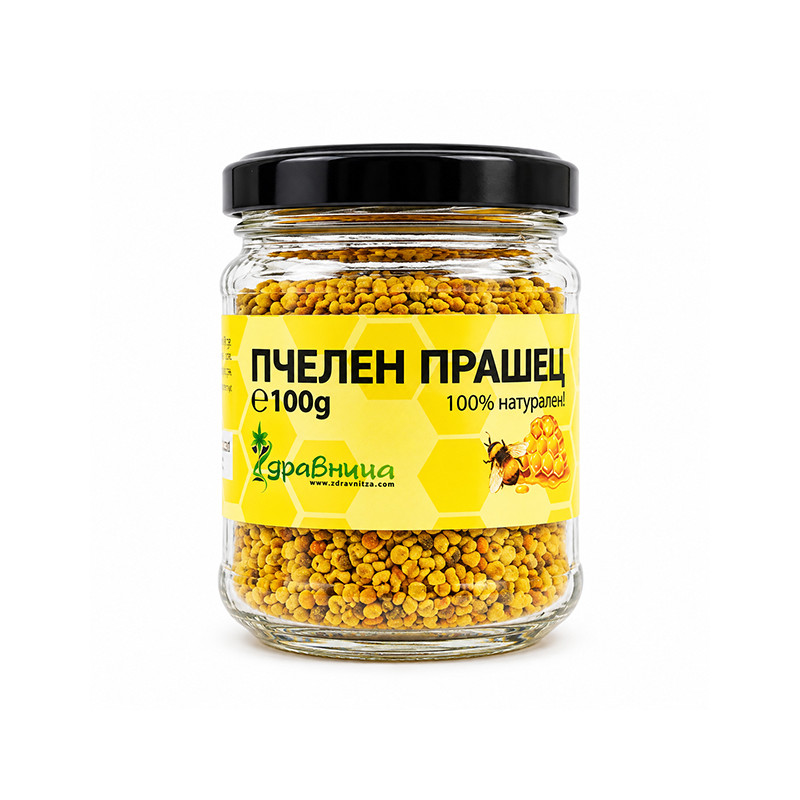
Natural Bee Pollen “Zdravnitza” is of Bulgarian origin and consists of granulated bee pollen without additional processing. It is offered in a transparent 100 g glass jar, convenient for storage and everyday use as part of a varied diet.
What Is Bee Pollen?
Bee pollen is formed when honeybees collect pollen from plants and shape it into small granules using nectar and their own secretions. They then carry it back to the hive, where it serves as food for the bee colony.
Unlike many other bee products, bee pollen has a distinct plant origin, and its composition depends on the plants visited by the bees. As a result, the granules may vary in colour, aroma, taste and nutritional profile. The flavour ranges from mildly sweet to more intense, grassy or slightly bitter.
Bee pollen should not be confused with bee bread, also known as perga. Bee bread is pollen stored in honeycomb cells and subjected to fermentation processes. These are related but distinct bee products.
What Makes Bee Pollen Valuable?
Interest in bee pollen stems from its combination of nutrients and naturally occurring plant compounds. Its exact composition depends on its botanical and geographical origin, so nutritional values are not the same for all types of bee pollen.
- Proteins and amino acids - contribute to the building and maintenance of body tissues and are an important part of a balanced diet.
- Carbohydrates - form part of the natural nutritional composition of pollen.
- Lipids and fatty acids - contribute to the diversity of nutrients found in the product.
- Polyphenols and flavonoids - plant compounds studied for their potential antioxidant activity.
- Vitamins and minerals - may be present in varying amounts depending on the origin of the pollen.
It is important to remember that the presence of a particular nutrient does not automatically mean that the product is a significant source of it. Data on the composition of the specific product are required before stating exact quantities or claiming that bee pollen is rich in a particular vitamin or mineral.
Bee Pollen and Health - Tradition and Scientific Research:
Bee pollen has a long history of use in traditional nutrition and apitherapy. It has traditionally been valued as a natural product with a diverse composition that can complement the daily diet. Today, interest in bee pollen is also linked to research into its nutritional components and biologically active compounds.
Bee pollen also has therapeutic effects. Its consumption supports bone development. The vitamin E it contains has a positive effect on potency. Rutin strengthens blood cells, reduces bleeding, supports heart function and helps normalise high blood pressure by influencing blood flow. Pollen is rich in lecithin, which regulates fat metabolism and thereby helps normalise body weight. Pollen is also very rich in selenium, which may help prevent certain types of cancer and support the body in eliminating heavy metals.
Supporting the Immune System
Pollen is beneficial for the intestinal flora and thereby strengthens the immune system. Bee pollen has antibiotic-like properties that protect the body against viruses. It is also rich in antioxidants, which protect cells against the harmful oxidation caused by free radicals.
Respiratory System
Bee pollen has a high antioxidant content, which has anti-inflammatory effects on lung tissue and prevents the onset of asthma.
For Allergies
Pollen reduces histamine levels and has a beneficial effect on most allergies. Conditions ranging from asthma and allergies to sinus problems are treated with the help of pollen, suggesting that it is effective against a wide range of respiratory conditions.
Supporting the Cardiovascular System
Bee pollen contains large amounts of rutin, an antioxidant bioflavonoid that strengthens capillaries and blood vessels and helps normalise cholesterol levels. Its anticoagulant properties may help prevent a heart attack.
For Diabetes
Bee pollen has a positive effect on people with diabetes. Its beneficial action is said to involve controlling blood sugar levels. Take it with honey, juice, fresh milk or yoghurt. You can also let the granules dissolve in your mouth by placing a few on your tongue.
For Gastritis and Colitis
The lecithin contained in royal jelly helps relieve digestive problems such as gastritis and colitis. This enzyme improves digestive tract function, which is why bee pollen is regarded as a remedy for conditions directly related to digestion.
For Kidney Problems
Bee pollen is recommended for kidney problems because it is said to prevent the formation of sediment and kidney stones and help eliminate existing ones.
What Makes “Zdravnitza” Bee Pollen Different?
- Bulgarian origin - a bee pollen product with Bulgaria stated as its country of origin.
- Granulated form - convenient for measuring and adding to various foods.
- No additional processing - supplied in granulated form without additional processing, in accordance with the product specifications.
- Practical packaging - a transparent glass jar that allows you to see the product's natural appearance.
- Versatile use - suitable for adding to yoghurt, oatmeal, fruit and other foods.
Ingredients:
100% natural bee pollen.
Directions for Use:
Initial trial, provided there are no contraindications: A few granules
Gradual increase if well tolerated: Up to 5 g daily
Typical amount for dietary use: Approximately 5–10 g daily
How to Include Bee Pollen in Your Daily Diet
Granulated bee pollen can be used in a variety of ways in the kitchen. Its distinctive flavour makes it suitable for breakfast as well as for a range of homemade combinations.
- Add a small amount to yoghurt or a plant-based alternative.
- Sprinkle over oatmeal, muesli or homemade granola.
- Combine with fruit, smoothies or fruit bowls.
- Mix with honey if you prefer a sweeter flavour and suitable consistency.
- Use as an addition to homemade energy balls or other recipes that do not require heat treatment.
There is no universally established, scientifically validated daily dose of bee pollen suitable for everyone. If you are considering including it in your diet, first make sure that you have no contraindications. If you have no allergies or other risk factors, you can discuss an appropriate amount with a doctor or dietitian, particularly if you intend to consume it regularly.
Important: Precautions for Use
Despite its natural origin, bee pollen is not suitable for everyone. It may cause allergic reactions, including severe reactions in sensitive individuals.
- If you are allergic to pollen or other bee products: Do not consume bee pollen without first consulting an allergist. People with pollen allergies or asthma may have a higher risk of a reaction.
- During pregnancy and breastfeeding: Due to insufficient safety data, avoid use without consulting a healthcare professional.
- If you take blood-thinning medication: If you take warfarin or other anticoagulants, discuss use with a doctor or pharmacist because of possible interactions.
- For children: Consult a paediatrician before including bee pollen in their diet.
If you experience difficulty breathing, swelling of the tongue or throat, sudden weakness or other signs of a severe allergic reaction, seek emergency medical assistance immediately.
Packing: 100 g in a glass jar
Frequently Asked Questions (FAQ):
What is bee pollen used for?
Bee pollen is traditionally used as a dietary addition because of its diverse composition. It contains proteins, carbohydrates, lipids and plant compounds that are of interest to scientific research.
What nutrients does bee pollen contain?
Its composition may include proteins, amino acids, carbohydrates, lipids, polyphenols, flavonoids, vitamins and minerals. The specific amounts depend on the botanical origin and the batch.
Does bee pollen have antioxidant properties?
Certain compounds in bee pollen, including polyphenols and flavonoids, demonstrate antioxidant activity in laboratory studies. This is a property that has been investigated scientifically.
What is the difference between bee pollen and bee bread?
Bee pollen is flower pollen collected and formed into granules by bees. Bee bread is pollen stored in honeycomb cells and subjected to fermentation processes. The two products differ in how they are produced and in their characteristics.
How should bee pollen be consumed?
It can be added to yoghurt, oatmeal, muesli, smoothies and fruit combinations. There is no universal daily dose suitable for everyone. If you have allergies, medical conditions or take medication, seek advice from a healthcare professional before use.
Is bee pollen suitable for people with allergies?
Not necessarily. Bee pollen may cause allergic reactions, including severe reactions in sensitive individuals. If you are allergic to pollen or bee products, or have asthma, do not consume it without first consulting an allergist.










Много хубав сайт
Супер е всичко! Получих и подарък от сайта :)