
Speedy
To a locker
- Up to 3 kg From 30 EUR
- Over 3 kg From 50 EUR
To an office
- Up to 3 kg From 40 EUR
- Over 3 to 20 kg From 50 EUR
- Over 20 kg From 100 EUR
To an address
- Up to 10 kg From 60 EUR
- Up to 20 kg From 100 EUR


No products
1,50 €
Fig
Ficus carica L.
Other names: common fig, fig tree, common fig tree, wild fig
The fig (Ficus carica L.) is one of the oldest cultivated fruit plants known to humankind for thousands of years. The species belongs to the mulberry family (Moraceae) and originates from the regions of the Eastern Mediterranean, Asia Minor and adjacent parts of Western and Central Asia. Today, the fig is widely distributed and cultivated in many countries with warm and temperate climates.
In Bulgaria, the fig has been known for a long time and is mainly cultivated in the warmer regions of the country. The Southern Black Sea coast, the areas around Petrich and other locations with a milder climate are particularly suitable for its development. In Bulgarian botanical sources, the species is known by the names "smokinia" and "smokovnica", while "smokva" is also found as a traditional and literary name.
In addition to the fruit, fig leaves have also been used in traditional herbal practices. They are collected and dried and can subsequently be used to prepare an infusion.
The fig is a deciduous tree or large shrub that can reach approximately 7-10 metres in height under suitable conditions. The trunk and branches form a broad, relatively low crown, while young branches are greenish to brownish and may be covered with fine hairs.
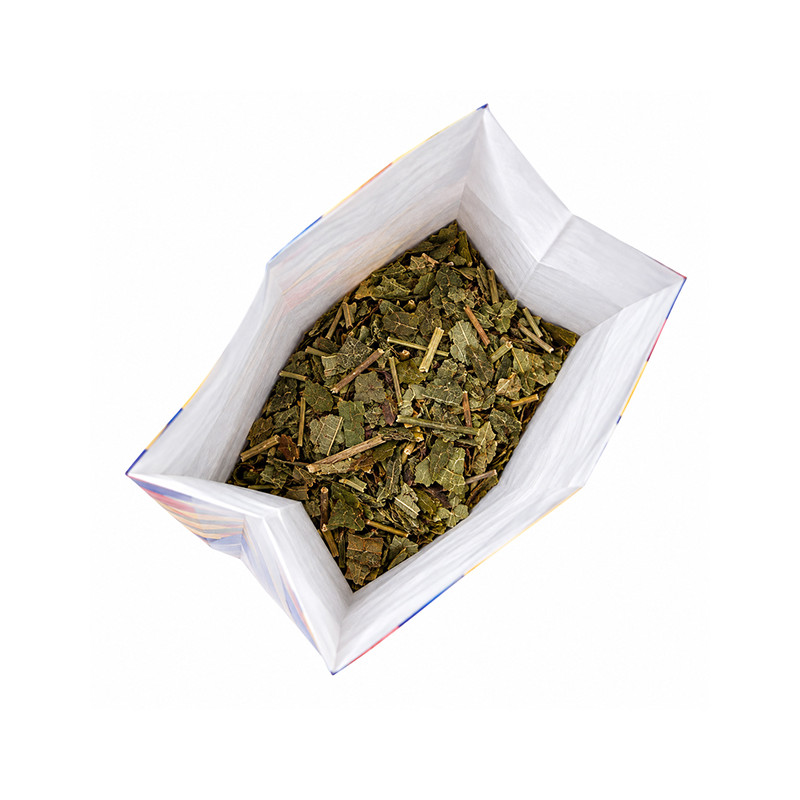
The leaves are large, alternately arranged and usually deeply divided into 3-5 lobes. They have a characteristic heart-shaped base, toothed or wavy margins and a rough surface on the upper side. The underside of the leaves is softer and more hairy. These leaves are the plant part offered in the present product.
The flowers of the fig are located inside specialised inflorescences known as syconia. Following pollination and development, they give rise to the characteristic fleshy structures commonly known as figs.
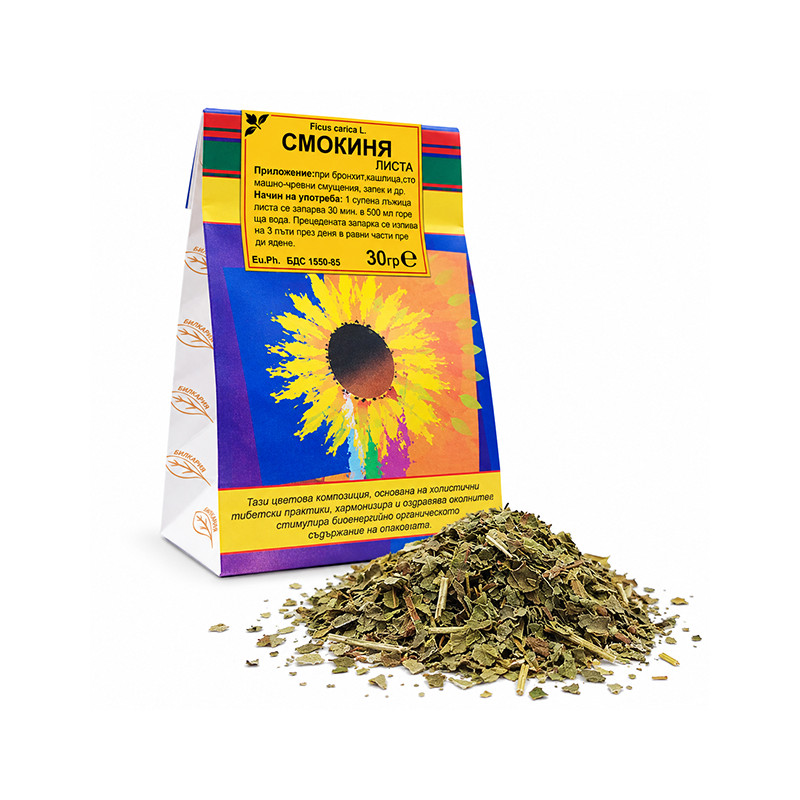
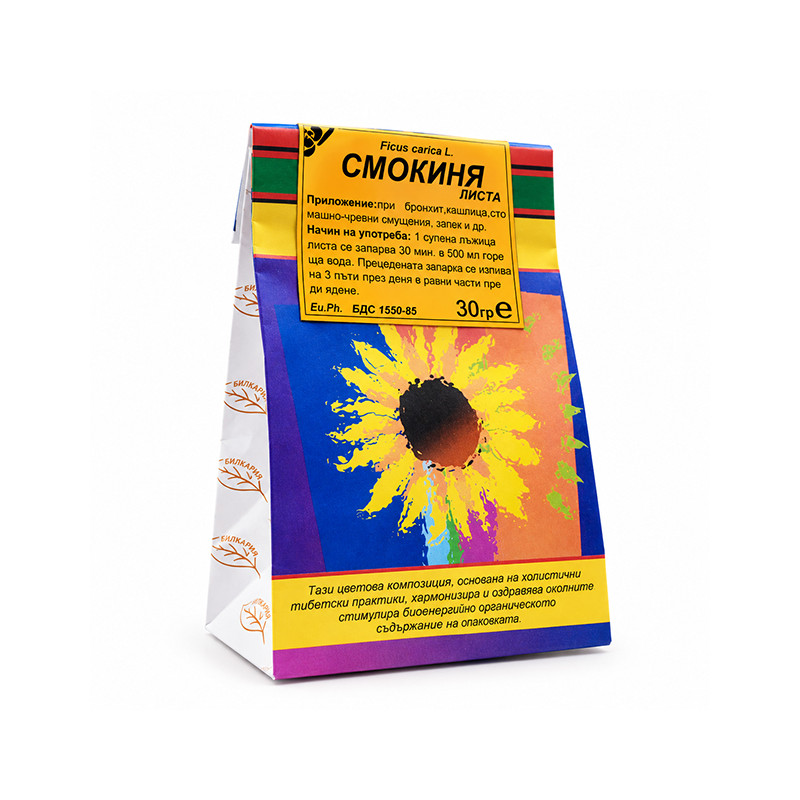
The product offered by Zdravnitza consists of dried fig leaves (Ficus carica L.).
The natural range of Ficus carica covers the Eastern Mediterranean, Asia Minor, the Caucasus and parts of Central Asia and the Western Himalayas. Today, the plant has also been introduced and is cultivated in many other regions of the world with a suitable climate.
In Bulgaria, the fig is found mainly in the warmer regions. Along the Black Sea coast, the species can also grow outside direct human cultivation, while cultivated plants are widespread in gardens and private holdings in southern Bulgaria. Bulgarian botanical data include the fig among the species found in the warmer and drier habitats of the country.
Due to its sensitivity to low winter temperatures, the fig is best adapted to regions with mild winters and long, warm summers. This is one of the reasons why its commercial and amateur cultivation is concentrated in the warmer parts of Bulgaria.
Fig leaves have a long history of use in traditional medicine in various parts of the world. In folk medicine, they have been used in the form of infusions and other herbal preparations for various complaints, including those associated with the digestive and respiratory systems. Scientific reviews also note the traditional use of Ficus carica for gastrointestinal and respiratory complaints, while emphasising that traditional use and experimental data are not equivalent to proven clinical efficacy.
The leaves of Ficus carica contain a variety of naturally occurring plant compounds. Scientific studies have described significant levels of polyphenolic compounds, phenolic acids, flavonoids, organic acids, triterpenoids, coumarins and volatile constituents. Various studies have also identified compounds such as quercetin derivatives, chlorogenic and caffeoylquinic acids, as well as psoralen and bergapten.
Fig leaves and latex contain furanocoumarins, including psoralen and bergapten. These substances can interact with ultraviolet radiation and are associated with phototoxic skin reactions following contact with plant sap or leaves and subsequent exposure to sunlight. Cases of phytophotodermatitis following contact with fig leaves have been described in the medical literature.
This is particularly important when handling fresh leaves or plant sap. The present product contains dried leaves intended for the preparation of an infusion and is not intended for external application to the skin.
Fig - dried leaves:
Application: as an aid for bronchitis, cough, gastrointestinal disturbances, constipation and others.
Preparation: infuse 1 tablespoon of the herb for 30 minutes in 500 ml of hot water. Strain and drink in 3 equal portions throughout the day before meals.
During pregnancy and breastfeeding, in cases of chronic diseases or when taking medicinal products, it is recommended to discuss the use of the herb with a doctor or pharmacist beforehand. Particular caution is advised for people taking medicines that affect blood glucose levels, as biological effects of fig leaves related to glucose metabolism have been investigated, but this does not mean that a proven therapeutic effect has been established.
Packing: 30 g
What is the fig?
The fig (Ficus carica L.) is a deciduous tree or shrub from the mulberry family (Moraceae), known since ancient times as a fruit-producing and traditionally used plant. In Bulgaria, it is also known as "смоковница" and "смоква".
What are fig leaves used for?
According to the information on the manufacturer's label, dried fig leaves are used as an aid for bronchitis, cough, gastrointestinal disturbances, constipation and others.
How are dried fig leaves prepared?
According to the manufacturer's instructions, infuse 1 tablespoon of the herb for 30 minutes in 500 ml of hot water. After straining, divide the infusion into 3 equal portions and drink them throughout the day before meals.
Can fig leaves be used instead of the fruit?
Leaves and fruit are different plant parts and have different compositions and traditional uses. The present product contains only dried fig leaves, not dried fruit.
Are fig leaves safe to use on the skin?
The product is not recommended for external application. Fresh fig leaves and latex contain furanocoumarins, which can cause a phototoxic reaction following subsequent exposure to ultraviolet light. Cases of phytophotodermatitis following contact with fig leaves have been described in the medical literature.
Is fig the same as the fig tree?
Yes. "Fig" and "fig tree" are English names referring to the same plant species - Ficus carica L. The plant is also known by the traditional name "common fig".
 Running Clubmoss (Lycopodium Clavatum L.), dried herb, Bilkaria, 20 g
 2,25 €
 Comfrey (Symphytum officinale L.), dried root, Bilkaria, 40 g
 1,70 €
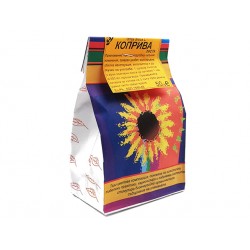 Nettle (Urtica Dioica), dried leaves, seeds or root, Bilkaria, 50/30/40 g
 1,30 €
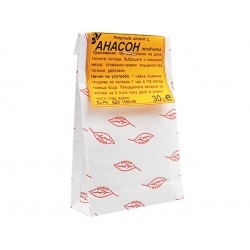 Anise (Pimpinela Anisum L.), dried fruit, Bilkaria, 30 g
 0,90 €
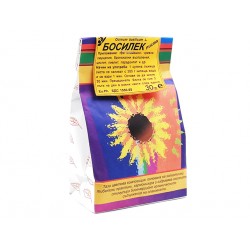 Basil (Ocimum Basillicum), dried leaves, Bilkaria, 30 g
 0,92 €
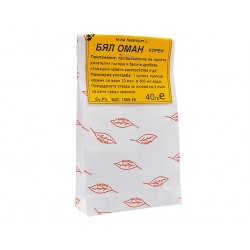 Elfdock (Inula Helenium L.), dried root, Bilkaria, 40 g
 1,28 €
 Meadowsweet (Filipendula ulmaria), dried stalk or root, Bilkaria, 25/30 g
 1,20 €
 White birch (Betula pendula), dried leaves, bark or fruits, Bilkaria, 30/30/20 g
 1,18 €
 Sweet flag (Acorus calamus L.), dried root, Bilkaria, 30 g
 1,28 €
 Bean Husk (Phaseolus Vulgaris), dried herb, Bilkaria, 30 g
 2,00 €
 Siberian Chaga, tincture, Verde Vita, 50 ml
 7,60 €
 Slim Coffee, weight loss instant drink, Bioherba, 100 g
 6,95 €
 CelluExtreme Burn, Anti-Cellulite Slimming Gel, Colloid, 200 ml
  Fennel - seeds, Pimenta, 250 g
 1,80 €
 Ginger, herbal tincture, Bioherba, 50 ml
 3,65 €
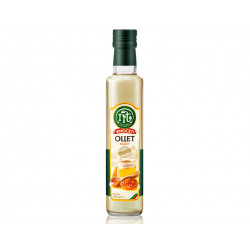 Pure Honey Vinegar, Vinoceti, 250 ml
 2,20 €
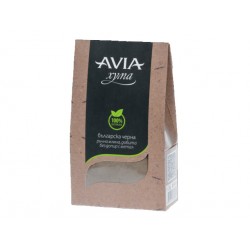 Bulgarian Black Clay powder, Avia, 250 g
 2,80 €
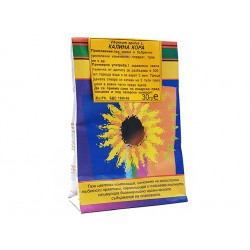 Guelder rose (Viburnum opulus), dried bark, Bilkaria, 30 g
 2,25 €
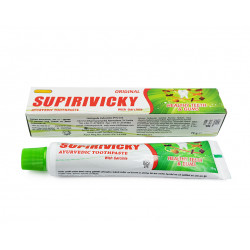 Supiriviki, Ayurvedic toothpaste, 75 ml
 2,70 €
 Lavender (Lavandula angustifolia), dried flower, Bilkaria, 30 g
 1,20 €