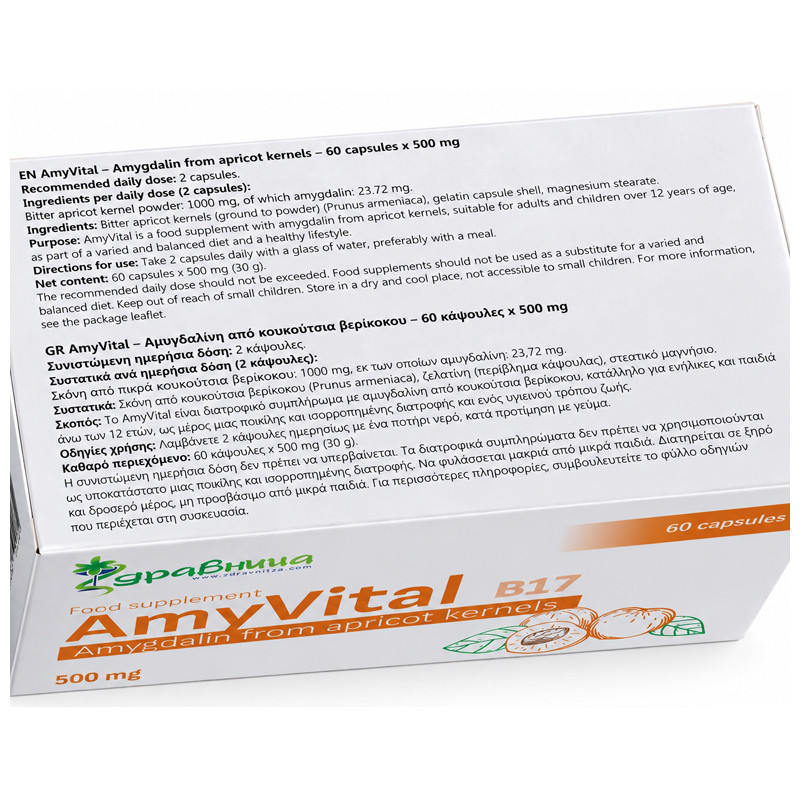
- Amygdalin from bitter apricot kernels
- Commonly known as "Vitamin B17"
- Laboratory-tested amygdalin content
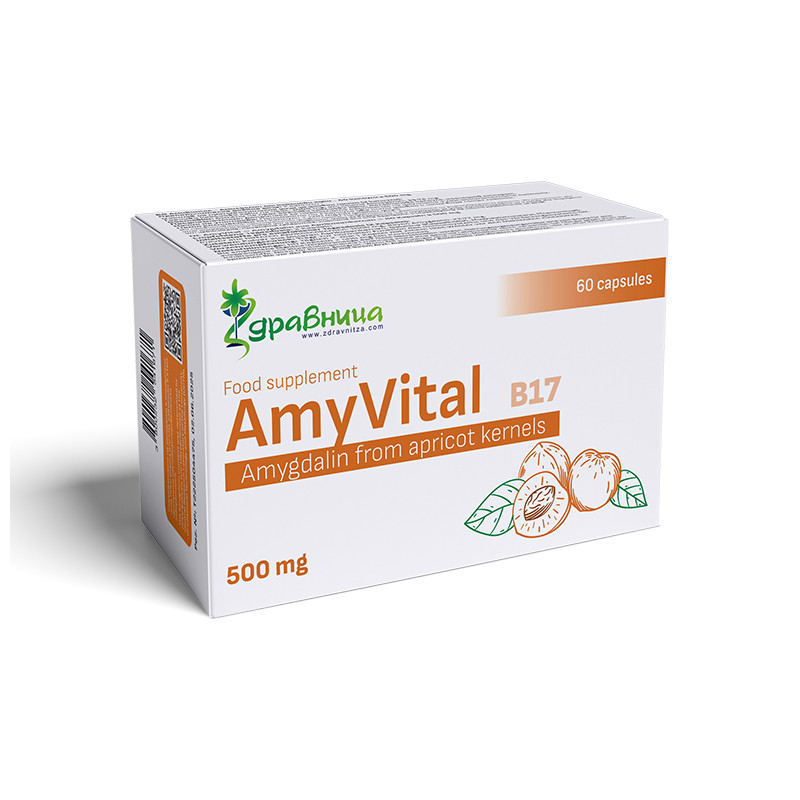
AmiVital by "Zdravnitza" is a food supplement of natural origin containing ground bitter apricot kernels - a natural source of amygdalin, also commonly known as "vitamin B17". The recommended daily dose of 2 capsules provides 1000 mg of bitter apricot kernels, containing 23.72 mg of amygdalin.
Amygdalin is a naturally occurring plant compound found in the seeds and kernels of certain fruits, including apricots, peaches, plums and apples. Bitter apricot kernels are among the natural sources in which amygdalin occurs in significant amounts.
AmiVital has been developed with a clear focus on controlled amygdalin content in the recommended daily dose. The amygdalin content of the raw material is subject to quantitative laboratory analysis using HPLC with a UV detector at the Central Research Laboratory of the University of Chemical Technology and Metallurgy (UCTM), Sofia.
What is amygdalin?
Amygdalin is a natural cyanogenic glycoside found in various plants, particularly in the seeds and kernels of certain fruits. The presence of amygdalin is one of the main characteristics distinguishing bitter apricot kernels from sweet apricot kernels.
The compound has been known to science since the 19th century and subsequently attracted considerable interest because of its chemical properties and the way it is metabolised in the body. Today, amygdalin continues to be the subject of scientific interest and is widely known among consumers by the popular name "vitamin B17".
It is important to clarify that amygdalin is not officially recognised as a vitamin. The name "vitamin B17" is a popular commercial and historical designation used for amygdalin, but it is not included among the officially recognised vitamins.
Amygdalin - history and origin:
The history of amygdalin dates back to 1830, when French scientists first isolated it from bitter almonds. It was subsequently discovered that the same naturally occurring compound is also found in the seeds of various fruits, including apricots.
During the 19th and 20th centuries, amygdalin began to attract attention in medical circles, and in 1845 its use in Russia in attempts to treat cancer was documented. Interest in the compound continued into the early 20th century, and the term "Vitamin B17" emerged later.
During the 1950s and 1960s, amygdalin and its derivatives, particularly the so-called laetrile, gained widespread popularity in connection with alternative approaches to cancer. This is why information related to this historical use is still frequently encountered when searching for "amygdalin", "B17" or "vitamin B17".
Modern scientific evidence does not demonstrate that amygdalin or laetrile is an effective treatment for cancer in humans. Therefore, AmiVital is a food supplement, not a medicinal product, and is not intended for the diagnosis, prevention or treatment of diseases.
Why bitter apricot kernels?
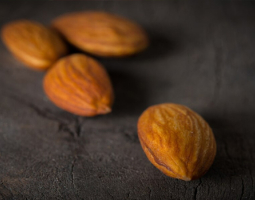
Bitter apricot kernels are a natural plant source of amygdalin. The presence of this compound is one of the reasons why they have traditionally been used as a raw material for products containing amygdalin.
Amygdalin also occurs naturally in the seeds of other plants, but bitter apricot kernels are among the best-known natural sources. AmiVital uses ground bitter apricot kernels as its primary raw material.
Amygdalin and "Vitamin B17" - are they the same thing?
In the context of food supplements and popular literature, the terms "amygdalin" and "vitamin B17" are often used interchangeably. Scientifically, however, amygdalin is a specific chemical compound, while "vitamin B17" is a popular but unofficial designation.
Therefore, when you search for information about "vitamin B17 from apricot kernels", in most cases this refers specifically to amygdalin naturally present in apricot kernels.
Amygdalin and cyanide - what is the difference?
Amygdalin and cyanide are not the same substance. Amygdalin is a naturally occurring plant compound belonging to the group of cyanogenic glycosides. Under certain conditions in the digestive tract, it can be broken down, and this process may release hydrogen cyanide, which in the body is associated with the cyanide form.
This means that taking amygdalin is not the same as directly taking cyanide. At the same time, the ability of cyanogenic glycosides to release hydrogen cyanide is precisely why the content and intake of products made from bitter apricot kernels require careful attention and control.
The European Food Safety Authority (EFSA) considers this issue in terms of potential exposure to cyanide that may be formed from cyanogenic glycosides. For acute exposure, EFSA has established an acute reference dose (ARfD) for cyanide of 20 μg/kg body weight.
It is important not to present this value as a "safe daily dose of amygdalin". These are two different quantities, and a direct conversion from the cyanide ARfD to a recommended daily dose of amygdalin cannot be made mechanically.
Health benefits and valuable properties of amygdalin:
Amygdalin is a naturally occurring bioactive compound that has attracted the attention of researchers and natural health specialists for decades. Naturally present in bitter apricot kernels, it is valued for its unique chemical composition and the diverse biological properties associated with it.
Antioxidant protection
Amygdalin has been associated with antioxidant activity and support for the body's natural cellular defences against oxidative stress. The body's ability to maintain a balance between free radicals and its own protective mechanisms is an important part of maintaining overall wellbeing.
Support for the body's natural defence mechanisms
Amygdalin is also of scientific interest because of its interaction with various cellular and immune mechanisms. For this reason, it is considered a valuable natural compound as part of a comprehensive approach to supporting the body's natural defences.
Anti-inflammatory properties
Amygdalin has been associated with properties related to the regulation of processes involved in the inflammatory response. This is one of the reasons why the compound continues to be actively studied and remains of interest in the field of natural bioactive substances.
Support for cellular balance
Amygdalin is associated with various cellular processes and cell-signalling mechanisms. Its presence in the body has been the subject of scientific research aimed at better understanding the interaction between bioactive plant compounds and the cellular environment.
Support for overall vitality
As a natural plant compound found in bitter apricot kernels, amygdalin fits naturally into the concept of nutritional support and a balanced lifestyle. AmiVital provides a defined amount of raw material and a clearly declared amygdalin content in the recommended daily dose.
Natural origin and bioactive composition
One of the distinctive characteristics of amygdalin is its natural origin. In AmiVital, it is present as a naturally occurring component of ground bitter apricot kernels, without the need for synthetic addition of amygdalin.
Amygdalin and scientific research in oncology
Amygdalin is also the subject of scientific interest in the field of oncology. Laboratory and preclinical studies have investigated its interaction with various cellular processes, including the cell cycle, apoptosis and cell-signalling mechanisms. These observations are among the reasons why amygdalin continues to be the subject of scientific research concerning its potential applications and biological activity.
It is important to emphasise that this research reflects scientific interest in the biological properties of amygdalin and does not mean that the product is a medicinal product or that amygdalin treats cancer or other oncological diseases. AmiVital is a food supplement intended to form part of a balanced diet.
The combination of natural plant origin, clearly defined quantity and laboratory-tested content makes AmiVital by "Zdravnitza" an interesting choice for people looking for a food supplement containing amygdalin from bitter apricot kernels.
Safe and responsible intake:
For products containing amygdalin from bitter apricot kernels, the amount consumed is particularly important. Due to the natural presence of cyanogenic glycosides in apricot kernels, EFSA assesses the potential risk of cyanide formation following their consumption.
AmiVital has been developed with a clearly defined recommended daily dose, stated on the label of the registered product: 2 capsules per day. This daily dose contains 1000 mg of ground bitter apricot kernels, providing a declared amount of 23.72 mg of amygdalin.
When taking the product, it is important to follow the recommended daily dose stated on the label and not to consume more than the recommended amount. Do not make your own calculations to increase the intake based on body weight or amygdalin content.
For this reason, AmiVital should not be compared with the consumption of an arbitrary amount of raw bitter apricot kernels. With this food supplement, the amount of raw material and the daily intake are predetermined and clearly declared on the product label.
Laboratory analysis of amygdalin content:
One of the distinctive features of AmiVital by "Zdravnitza" is its transparency regarding amygdalin content.
A quantitative analysis of the raw material was carried out at the Central Research Laboratory of the University of Chemical Technology and Metallurgy (UCTM), Sofia.
The laboratory analysis determined an amygdalin content corresponding to 23.72 mg of amygdalin per 1 g of tested raw material. The analysis was performed on a supplied sample of bitter apricot kernel powder and was intended for the quantitative determination of amygdalin in the sample.
The complete laboratory report is published with the product in the "Zdravnitza" online store. You can download it as a PDF file at the end of this product description and review the results, analytical method and data from the analysis yourself.
Purpose:
Contributes to the normal condition of the immune and digestive systems.
Ingredients:
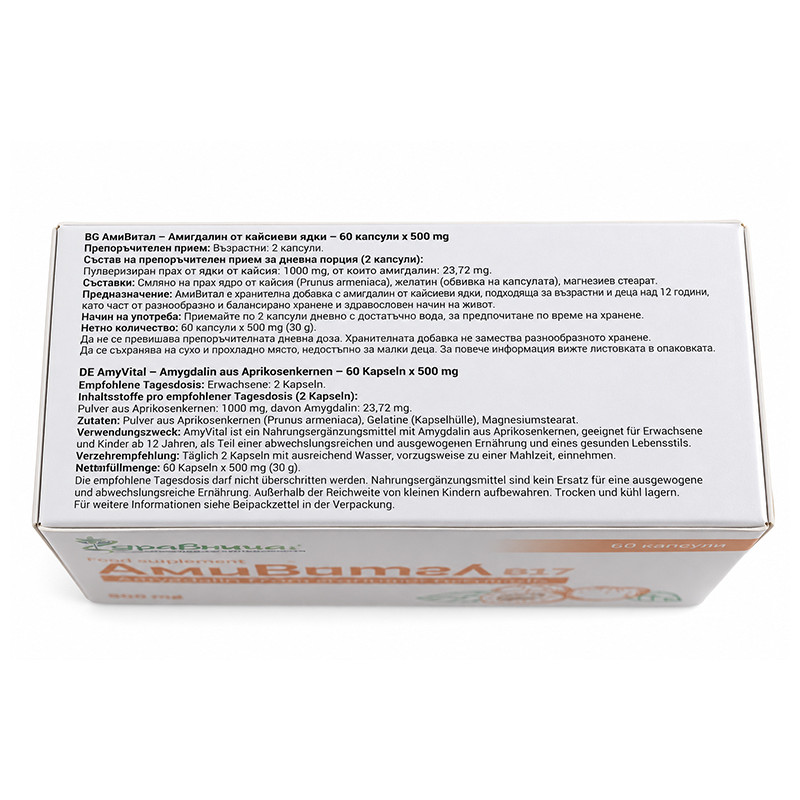
Ground bitter apricot kernels, gelatin capsule, magnesium stearate.
Composition of the recommended daily dose (2 capsules):
Bitter apricot kernels: 1000 mg
of which Amygdalin: 23.72 mg
Directions for use:
Take 1 capsule twice daily with a glass of water before meals.
Do not exceed the recommended daily intake. The product should not be used as a substitute for a varied diet. Do not take if you are allergic to any of the ingredients. For adults only; not suitable for children.
Consult a doctor or qualified healthcare professional if you have a medical condition, are taking medication, are pregnant or breastfeeding. Keep out of reach of children.
Important: AmiVital is a food supplement, not a medicinal product. The product is not intended for the diagnosis, treatment or prevention of diseases and should not be used as a substitute for medical treatment.
AmiVital by "Zdravnitza" is a food supplement registered with the Bulgarian Food Safety Agency (BFSA):
Reg. No.: T222504475/02.06.2025
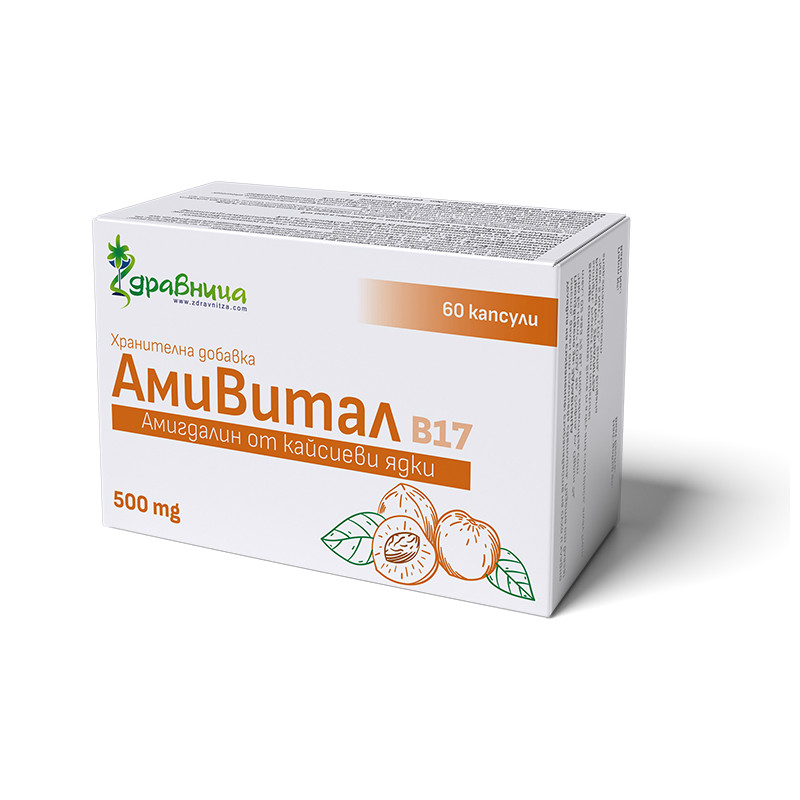
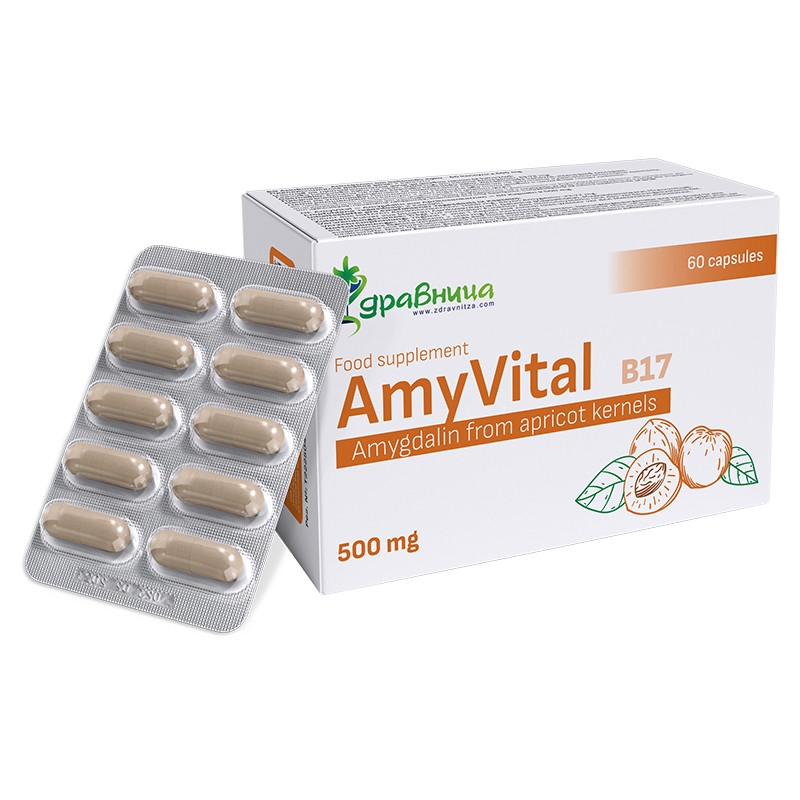
Packaging: 60 capsules x 500 mg in blister packs and a cardboard box
Frequently Asked Questions (FAQ):
What is AmiVital?
AmiVital is a food supplement by "Zdravnitza" containing ground bitter apricot kernels - a natural source of amygdalin. The package contains 60 capsules of 500 mg each.
What is amygdalin?
Amygdalin is a natural plant compound belonging to the group of cyanogenic glycosides. It is found in the seeds and kernels of certain fruits, including apricots, peaches, plums and other plants.
Is amygdalin vitamin B17?
Amygdalin is often referred to as "vitamin B17", but this is a popular name rather than an officially recognised vitamin designation. Amygdalin is a specific chemical compound, not a vitamin belonging to the officially recognised group of vitamins.
Why is amygdalin associated with bitter apricot kernels?
Bitter apricot kernels are a natural source of amygdalin and have therefore long been used as a raw material for products containing this compound.
Are amygdalin and cyanide the same substance?
No. Amygdalin and cyanide are different substances. Amygdalin is a cyanogenic glycoside which, under certain conditions, can be broken down and release hydrogen cyanide during this process. Due to this characteristic, the amount and intake of products made from bitter apricot kernels should be carefully controlled.
What does EFSA say about safety?
EFSA has established an acute reference dose (ARfD) for cyanide of 20 μg/kg body weight for single exposure. This value refers to cyanide and does not represent a recommended or safe daily dose of amygdalin. Therefore, the two values should not be equated.
How much amygdalin does the daily dose of AmiVital contain?
The recommended daily dose of 2 capsules contains 1000 mg of bitter apricot kernels, providing a declared amount of 23.72 mg of amygdalin.
Has the amygdalin content of AmiVital been laboratory tested?
Yes. A quantitative analysis of amygdalin in a sample of bitter apricot kernels was carried out at the Central Research Laboratory of UCTM using HPLC with a UV/Vis detector. The result obtained was 23.72 ± 2.40 g/kg.
Can I see the laboratory report?
Yes. "Zdravnitza" publishes the laboratory report with the product. The complete document can be downloaded as a PDF file at the end of the product description.
How does the laboratory analysis relate to the declared 23.72 mg in the daily dose?
The laboratory analysis determines the quantitative amygdalin content in a supplied sample of bitter apricot kernels. The label of the finished product declares that the recommended daily dose of 2 capsules contains 1000 mg of bitter apricot kernels, of which 23.72 mg is amygdalin.
Why should I not increase the daily dose on my own?
Bitter apricot kernels contain cyanogenic glycosides, including amygdalin. Under certain conditions, these compounds can lead to the formation of hydrogen cyanide. Therefore, take the product only according to the recommended daily intake stated on the label.
Is AmiVital suitable for children?
No. AmiVital is intended for adults only and should not be taken by children.
Can AmiVital be taken during pregnancy or breastfeeding?
AmiVital is not recommended during pregnancy or breastfeeding unless specifically advised by a doctor or qualified healthcare professional.
What is the difference between amygdalin and laetrile?
The terms are often used interchangeably, but historically "laetrile" has been used to refer to various preparations associated with amygdalin. Therefore, not all products labelled as laetrile are chemically identical to naturally occurring amygdalin. AmiVital contains amygdalin from ground bitter apricot kernels.