
Agrimony - the universal herb
Agrimony (Agrimonia eupatoria) is widely used in Bulgarian folk medicine - for tuberculosis, as well as for skin tuberculosis, and also for hemorrhoids.


No products
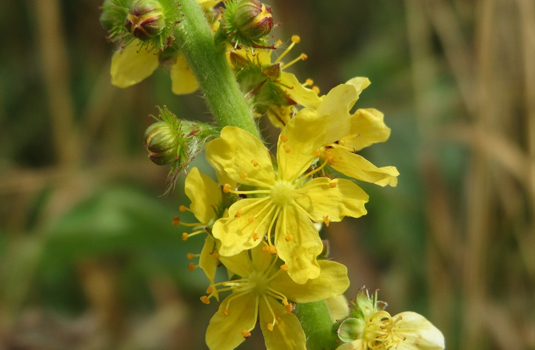
Agrimony (Agrimonia eupatoria) is widely used in Bulgarian folk medicine - for tuberculosis, as well as for skin tuberculosis, and also for hemorrhoids.
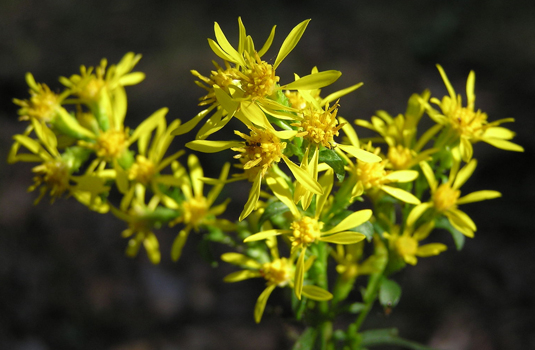
Folk medicine uses a well-known herb - Goldenrod (Solidago virgaurea), which can help the muscular apparatus to be healthy and strong.
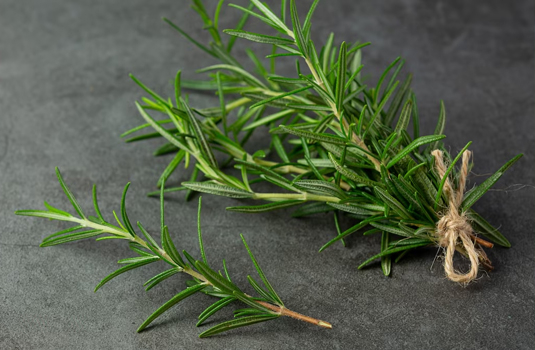
Rosemary has been used as a spice and medicinal plant since ancient times. Its healing action was known to the ancient peoples, who said that the gods preferred wreaths of rosemary instead of gold.

Vitamins are involved in a number of biochemical processes in the body. In the absence of vitamins, many of these processes are disturbed, which leads to improper functioning of the body and immediate consequences.

According to the American scientist Dr. Hulda Reger Clark, the cause of all diseases in the human body are parasites. "Zdravnitza" selected the advice from the treasury of Bulgarian folk medicine.
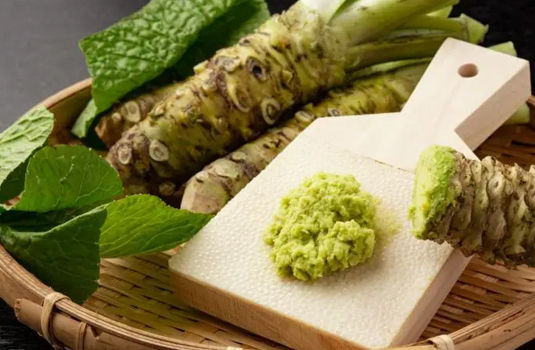
If you are a sushi lover, you must have heard of wasabi. It's this hot spice that I usually put between the fish and rice in sushi. Wasabi has a unique and fresh aroma as well as a taste that touches your senses.
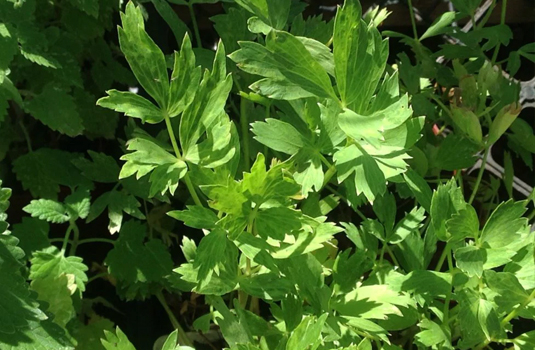
Lovage causes the release of secretions, mainly from the gastrointestinal tract and lungs, tones the body, stimulates the excretory system, has a beneficial effect on the cardiovascular and nervous systems.

Golden herb oil is an author's recipe of "Zdravnitza". Healthy combination of milk thistle, turmeric, Ceylon cinnamon, ginger and black pepper.

The chickpea is considered one of the earliest legumes cultivated by man. Over the millennia, culinary traditions related to chickpeas deepened and developed mainly in the countries of the Mediterranean basin.
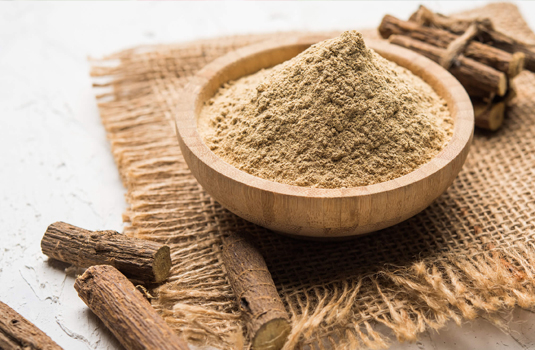
Licorice (Glyzyrchiza glabra) is an ancient medicinal and sweetener. It is mentioned in the works of Theophrastus /4th-3rd century BC/, who calls it a Scythian root.