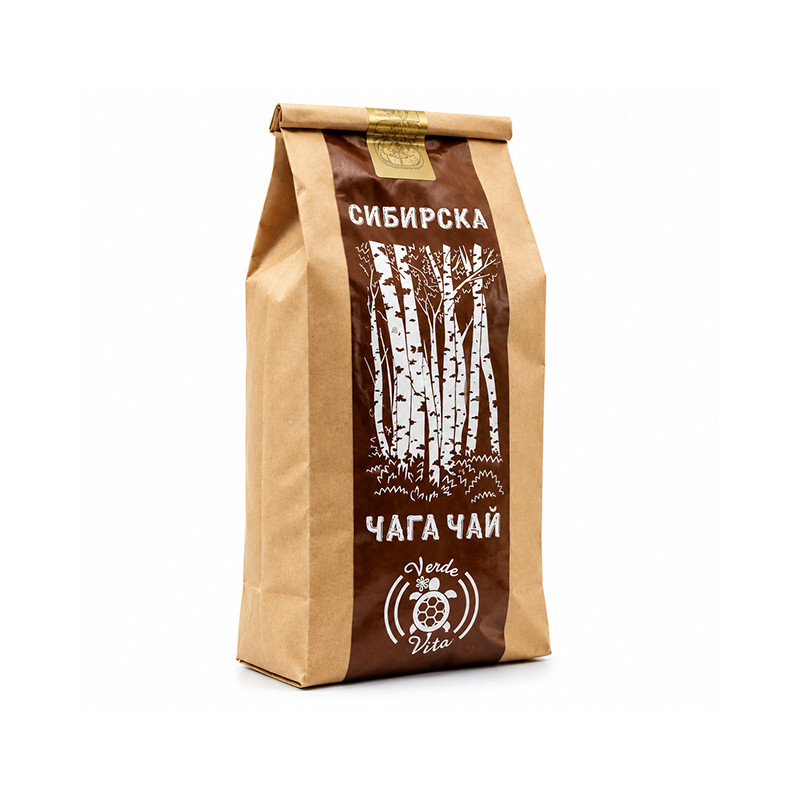
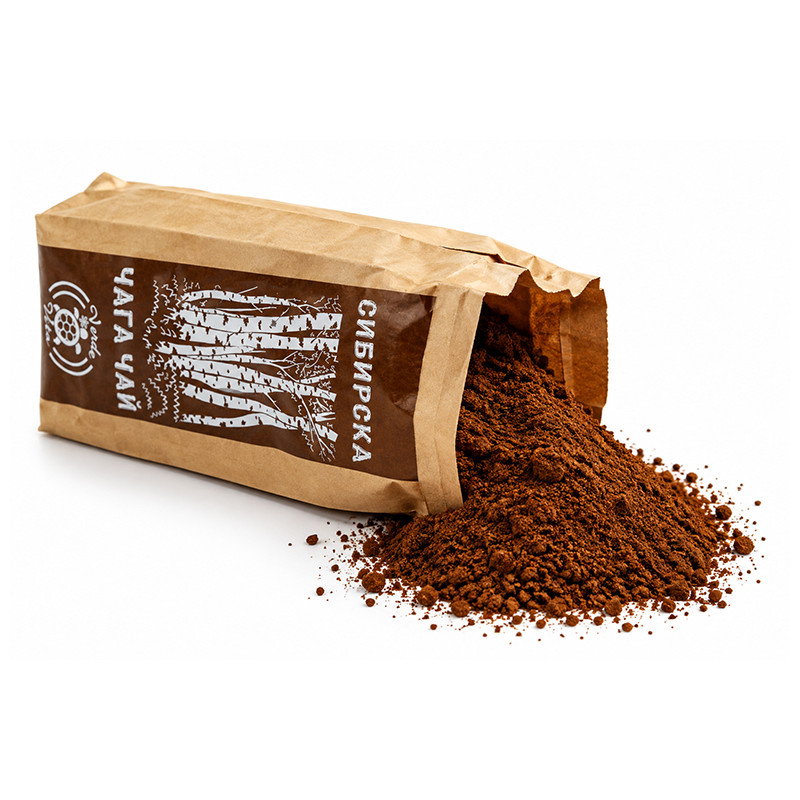
- 100% natural product
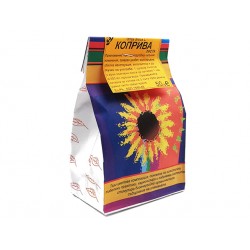
- Ground and dried Chaga mushroom (Inonotus obliquus)
- Produced in Siberia, Russia
- Rich source of naturally occurring bioactive compounds
Siberian Chaga (Inonotus obliquus), also known as the black birch mushroom, is one of the most interesting medicinal mushrooms found in northern forests. It grows mainly on birch trees in the cold regions of the Northern Hemisphere, including Siberia, Russia, Northern Europe, Korea, Canada and Alaska.
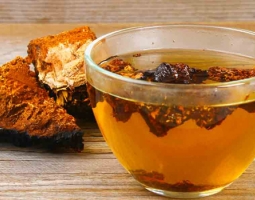
Unlike the edible mushrooms we are familiar with, Chaga does not develop a typical cap and stem. Instead, a hard, irregular, cracked growth forms on the trunk of the tree, with an almost black outer layer resembling charred wood. This distinctive appearance has given the mushroom its popular name "black birch mushroom".
Chaga grows extremely slowly and is found mainly in regions with long, cold winters. It most commonly develops on birch trees, but can also be found on other deciduous species. The mushroom is particularly interesting because of its high content of melanins, polysaccharides, polyphenols and triterpenoid compounds.
Chaga - a mushroom with a centuries-old history:
The history of Chaga is closely linked to the traditional medicine of northern peoples. Literary sources describe the use of Inonotus obliquus since ancient times, while better-documented evidence of its use in Eastern Europe dates back at least to the 12th century.
The peoples of Siberia used Chaga in various ways - most commonly as a water infusion or decoction, but also for topical applications. In traditional practice, it was valued for various gastrointestinal complaints, inflammatory conditions and as a general strengthening beverage.
Due to its bitter taste, Chaga was traditionally prepared as a beverage resembling tea. In some regions of Siberia, during the 20th century, Chaga infusion was even used as a substitute for regular tea.
The traditional use of the mushroom gradually attracted the attention of researchers, who began studying its chemical composition and potential biological properties.
Chaga in Russian and Siberian traditional medicine:
Chaga has a particularly long history in Russian and Siberian traditional medicine. Traditionally, water extracts, decoctions and macerations were prepared from the mushroom. It was used both internally and for various forms of topical care.
Traditional use included preparing the mushroom as a beverage for gastrointestinal discomfort, as well as using it for various inflammatory and infectious complaints. Historical sources also describe the use of Chaga in conditions associated with the liver and cardiovascular system.
Of particular interest is the traditional use of Chaga for various serious conditions, including oncological diseases. However, these historical accounts represent traditional medicine practices and cannot, by themselves, be considered evidence of a therapeutic effect for modern medical diagnoses.
Chaga in traditional Chinese medicine:
Inonotus obliquus is also known in China, where it is referred to by traditional names such as Bai Hua Rong. The mushroom has received attention in research on traditional Chinese medicinal mushrooms, and modern literature describes it as a traditionally used Chinese medicinal herb.
In traditional Asian use, Chaga has been associated with maintaining overall well-being and with use for various gastrointestinal and inflammatory complaints. Chinese scientific interest in the mushroom has gradually expanded to include research into its polysaccharides, triterpenes and other bioactive compounds.
It is important to note that the exact historical date from which Chaga began to be used in traditional Chinese medicine has not been well established. Therefore, it is more accurate to refer to its traditional use in Chinese medicine rather than assign it to a specific ancient period without sufficient historical evidence.
What makes Chaga so interesting?
Modern interest in Chaga is primarily related to its complex chemical composition. Various groups of naturally occurring compounds have been identified in the mushroom, including:
- polysaccharides, including beta-glucans;
- polyphenolic compounds;
- triterpenes and sterols;
- melanins;
- organic acids and other secondary metabolites.
It is precisely the combination of these substances that is one of the reasons why Chaga has become the subject of numerous scientific studies. Particular attention has been given to the potential antioxidant, anti-inflammatory and immunomodulatory properties of its extracts and individual compounds.
Antioxidant properties of Chaga:
One of the best-studied characteristics of Chaga is its antioxidant activity. In laboratory studies, various extracts of Inonotus obliquus have demonstrated the ability to neutralise reactive oxygen species and influence the activity of antioxidant enzymes.
This is associated with the presence of polyphenols, melanins and other bioactive components. Antioxidant activity is one of the reasons why Chaga is of interest as a functional food and traditional botanical raw material.
Anti-inflammatory potential:
Chaga is also being studied for its potential influence on inflammatory processes. In laboratory and animal models, various compounds from the mushroom have demonstrated an ability to influence molecular mechanisms associated with the inflammatory response.
Particular attention has been given to the effects of Chaga extracts on signalling pathways and mediators involved in inflammation. This is one of the areas in which modern science is seeking to understand the basis of the mushroom's traditional use.
Chaga and the immune system:
Polysaccharides and other compounds in Chaga are being studied for their potential influence on the immune system. Scientific research indicates that certain fractions of the mushroom may interact with cells and mechanisms involved in the immune response.
This is described as immunomodulatory potential - the ability of certain compounds to influence the activity of immune mechanisms. This term is more accurate than the definitive description "immune stimulant", as the immune system is complex and the effects of different compounds may depend on the dose, extraction method and specific biological system.
Chaga and the gastrointestinal tract:
Gastrointestinal health is one of the areas in which Chaga has a long history of traditional use. In Siberian and Russian traditional medicine, beverages made from the mushroom were used for various stomach and digestive complaints.
Modern preclinical studies are examining the potential influence of polysaccharides and other components of Chaga on inflammatory processes and the function of the gastrointestinal tract.
Chaga and scientific research on cancer cells:
One of the most extensively studied areas of Chaga research is its potential antitumour activity. Under laboratory conditions, various extracts and individual compounds from Inonotus obliquus have demonstrated inhibition of the growth or viability of certain cancer cell lines.
Researchers have investigated mechanisms associated with programmed cell death, oxidative stress, inflammatory signalling pathways and interactions with the immune system.
These results are scientifically interesting, but they need to be interpreted correctly. A laboratory effect on cancer cells does not mean that a proven anticancer effect exists in humans. At present, there is not sufficient high-quality clinical evidence to present Chaga as a means of preventing or treating cancer.
Therefore, the use of Chaga should not replace diagnosis, medical treatment or therapy prescribed by a doctor.
Why is Chaga associated with birch trees?
Chaga has a particularly close relationship with birch trees. It most commonly forms its characteristic black sclerotial growth on birch, and some of the compounds found in Chaga are associated with the chemical composition of the host tree.
Among the compounds of interest are betulin and betulinic acid - substances naturally associated with birch bark and studied for various biological properties. This is one of the reasons why the origin of Chaga and the tree on which it grows are of interest when studying the mushroom.
What does Chaga taste like?
Chaga tea has a distinctive rich, slightly bitter and earthy taste, with an aroma often described as woody and reminiscent of a forest mushroom. Due to this distinctive flavour, it has traditionally been enjoyed as a hot beverage and is often combined with honey or another natural sweetener.
Ingredients:
Ground, dried Chaga mushroom (Inonotus obliquus).
Nutritional value per 100 g:
Energy value: 779 kJ / 190 kcal
Fat: 1.1 g
of which saturates: 0.5 g
Carbohydrates: 12.9 g
of which sugars: 0.5 g
Protein: 3.6 g
Salt: 0.03 g
Directions for use:
Place 4 teaspoons of Siberian Chaga Tea in 400 ml of hot water. The maximum temperature should be 75°C.
For best results, wait between 5 and 7 minutes to allow the Siberian Chaga tea to be fully prepared.
Sweeten with honey, original Canadian maple syrup, stevia or another sweetener.
Enjoy the rich taste and wonderful aroma of this hot beverage.
How to prepare Chaga as a beverage?
Ground Chaga can be prepared as a hot beverage by following the specified directions for use. Using water at a temperature of up to 75°C allows the beverage to be prepared without reaching boiling point.
For a richer taste, the prepared beverage can be combined with honey, maple syrup, stevia or another preferred sweetener.
Important when using Chaga:
Chaga is a traditional food and botanical raw material, but this does not mean that it is suitable for everyone or that it can replace medical treatment.
If you are taking blood-thinning medication or medicines that affect blood sugar levels, it is advisable to consult a doctor or pharmacist before using Chaga regularly. Consultation is also recommended in case of kidney disease, pregnancy, breastfeeding or any other chronic condition.
If unusual or persistent symptoms occur, discontinue use and seek medical advice.
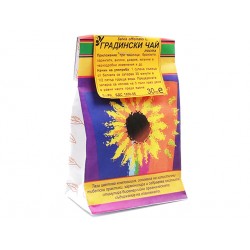
Packing: 250 g
Frequently Asked Questions (FAQ):
What is Siberian Chaga?
Siberian Chaga is the mushroom Inonotus obliquus - a wood-growing mushroom that most commonly grows on birch trees in the cold regions of the Northern Hemisphere. It is also known as the black birch mushroom and has a long history of traditional use in Siberia, Russia and parts of Asia.
Why is Chaga called the "black birch mushroom"?
The outer surface of Chaga is very dark, almost black and cracked, resembling charred wood. The mushroom most commonly develops on birch trees, which is the origin of its popular name.
How was Chaga traditionally used?
In Siberia and Russia, water infusions, decoctions and macerations were traditionally prepared from Chaga. It was mainly used as a beverage and for various gastrointestinal, inflammatory and other complaints. Historical evidence of its use in Eastern Europe dates back at least to the 12th century.
Is Chaga used in traditional Chinese medicine?
Yes. Inonotus obliquus is known in China as Bai Hua Rong and is described in scientific literature as a traditionally used Chinese medicinal mushroom. However, the exact date when its use began in the Chinese tradition has not been well established.
What are the main properties of Chaga?
Scientific interest in Chaga is primarily focused on its antioxidant, anti-inflammatory and immunomodulatory properties. Potential effects on metabolism, the gastrointestinal tract and various cellular processes are also being studied.
Does Chaga have antioxidant properties?
Yes. Various extracts of Inonotus obliquus have demonstrated antioxidant activity in laboratory studies. This activity is associated with the presence of polyphenols, melanins and other bioactive compounds.
Why is Chaga prepared as tea?
Chaga has a hard structure and a characteristic bitter taste. Traditionally, it has been used as a water-based beverage prepared by infusion or extraction with hot water.
What does Chaga tea taste like?
The beverage has a rich, earthy and slightly bitter taste with a characteristic woody aroma. It can be sweetened with honey, maple syrup, stevia or another sweetener.
Can I drink Chaga every day?
The product is intended to be prepared as a beverage according to the specified directions for use. For prolonged daily use, especially in larger quantities, it is advisable to consult a doctor or pharmacist.
Is Chaga suitable for people with kidney problems?
Prolonged use of large amounts of Chaga is not recommended without medical supervision in case of kidney disease.
Can Chaga interact with medicines?
Interactions are possible, particularly with medicines that affect blood clotting or blood sugar levels. If you take medicines regularly, consult a doctor or pharmacist before use.