
Speedy
To a locker
- Up to 3 kg From 30 EUR
- Over 3 kg From 50 EUR
To an office
- Up to 3 kg From 40 EUR
- Over 3 to 20 kg From 50 EUR
- Over 20 kg From 100 EUR
To an address
- Up to 10 kg From 60 EUR
- Up to 20 kg From 100 EUR


No products
1,70 €
Summer Cypress
Kochia scoparia (L.) Schrad.
Other names: summer cypress, burning bush, belvedere, kochia
Summer cypress (Kochia scoparia) is an annual herbaceous plant naturally distributed in parts of Eastern Europe and the temperate regions of Asia. Today, the species is also found in many other parts of the world, where it has been introduced and naturalized.
The plant has long been known in Bulgaria and has several traditional names. The Bulgarian name "harmanska metla" is associated with the practical use of its dried stems for making brooms. Because of its characteristic upright and compact shape, the plant is also known as "summer cypress", while the name "kochia" derives from its botanical genus name.
In botanical literature, the species has traditionally been known as Kochia scoparia (L.) Schrad., while in the modern taxonomic system of Kew it is accepted as Bassia scoparia (L.) Voss. Both names refer to the same plant species.
Summer cypress is an annual plant with an upright, highly branched stem, usually reaching between 20 and 100 cm in height and, under suitable conditions, growing to around 1.5 metres.
The stem and branches are covered with fine hairs. The leaves are narrow, oblong to lanceolate, green to grey-green in colour, and may also be covered with fine hairs, particularly when young.
The plant has a dense, broom-like shape that makes it easily distinguishable from many other annual herbaceous plants. The small flowers are arranged in clusters along the branches, and after flowering, small fruits containing the seeds are formed.
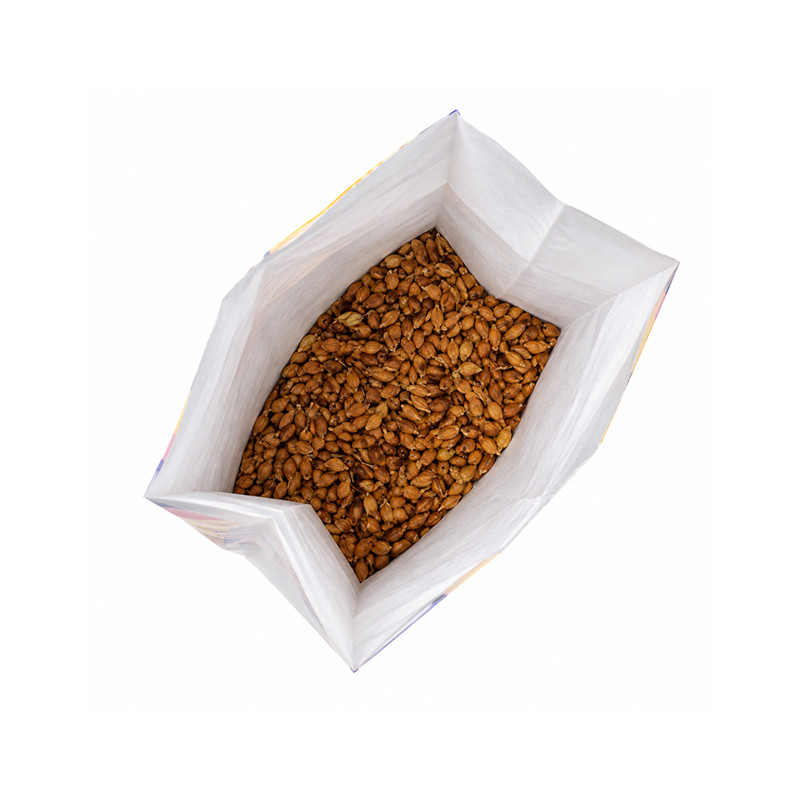
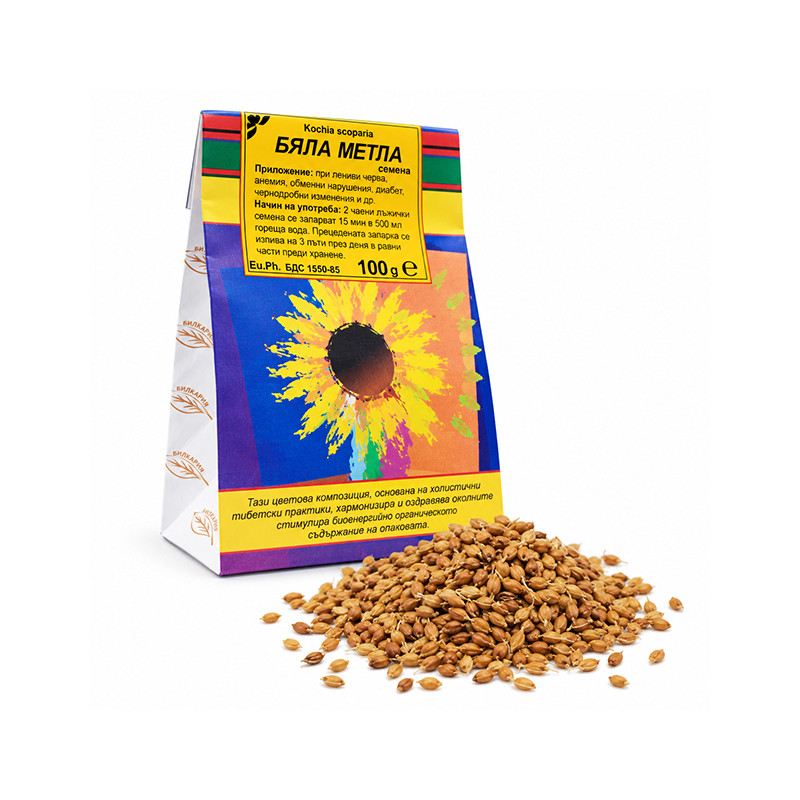
The product offered by Zdravnitza consists of summer cypress seeds (Kochia scoparia).
Summer cypress is a species with a wide distribution range, with its natural origin associated with Eastern Europe and the temperate regions of Asia. According to modern botanical data, the species is distributed across much of Eurasia and has been introduced into a number of other regions of the world, including North America and Australia.
The plant is well adapted to open and relatively dry habitats. It can be found along roadsides, in cultivated areas, on disturbed land and in other locations with sufficient sunlight.
In Bulgaria, kochia is also known as "harmanska metla" and has traditionally been used because of its strong stems, which can be used to make brooms. In modern conditions, the plant is also cultivated as an ornamental species because of its characteristic shape.
Summer cypress has a long history of use in Traditional Chinese Medicine. The herbal material known as Kochiae Fructus is obtained from the fruits of Kochia scoparia and has traditionally been used in various herbal combinations, particularly for conditions associated with the skin, eyes and urinary tract.
Modern scientific literature has investigated various components of the plant and its fruits. Triterpenoids, flavonoids, carbohydrates, amino acids, organic acids, volatile compounds and other plant constituents have been described. One of the characteristic compounds studied is the triterpenoid glycoside momordin Ic, which is also used as a chemical marker for quality control of Kochiae Fructus.
It is important to distinguish between traditional use and clinically established efficacy. Some of the modern data on the biological properties of the plant have been obtained from laboratory and experimental models and cannot, on their own, be regarded as evidence of a therapeutic effect in humans.
Various groups of naturally occurring plant compounds have been identified in the fruits of Kochia scoparia, which are used as a traditional Chinese herbal material. These include triterpenoids, flavonoids, carbohydrates, amino acids, organic acids and volatile components.
One of the better-studied compounds is momordin Ic - a triterpenoid glycoside used as one of the chemical markers for assessing the quality of the raw material Kochiae Fructus.
The chemical composition of the plant material may vary depending on its origin, growing conditions, harvesting time, drying method and storage conditions. Therefore, the presence of particular naturally occurring plant compounds does not mean that every batch contains the same amount of them.
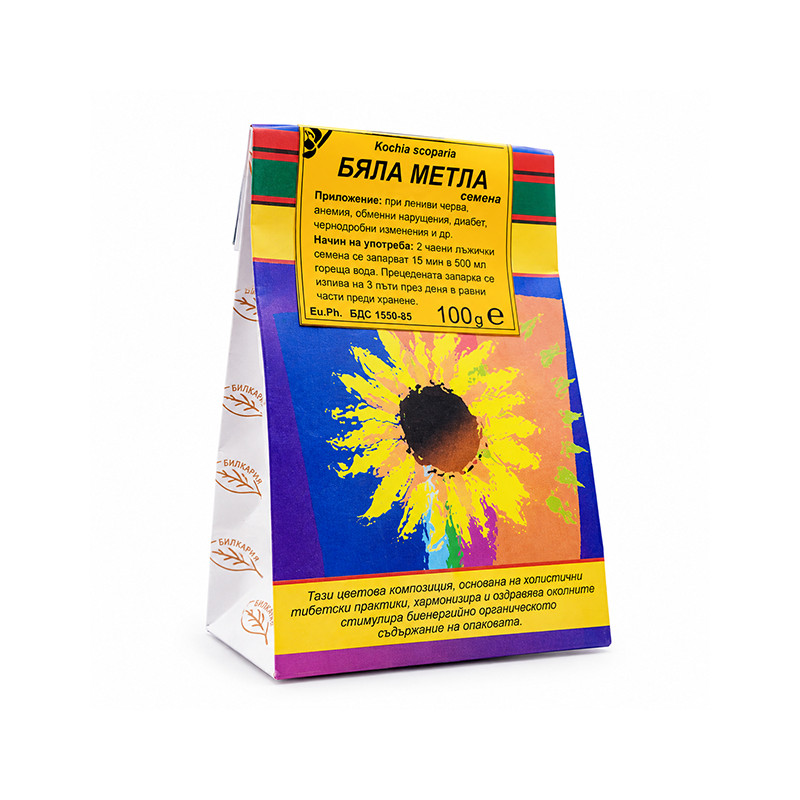
Summer Cypress - Seeds:
Use: as a traditional herbal aid for sluggish bowel, anaemia, metabolic disorders, arthritis and diabetes.
Preparation: steep 2 teaspoons of the herb for 15 minutes in 500 ml of hot water. Strain and divide into 3 equal portions to be consumed throughout the day before meals.
During pregnancy and breastfeeding, in cases of chronic diseases or when taking medicinal products, it is advisable to discuss the use of the herb with a doctor or pharmacist beforehand. Particular caution is required in diabetes and other conditions where blood parameters are monitored and medicinal products are being taken.
For persistent or unexplained symptoms, do not rely solely on herbal products. They do not replace medical diagnosis or prescribed treatment.
Package: 100 g
What is summer cypress?
Summer cypress (Kochia scoparia) is an annual herbaceous plant with an upright and highly branched stem. It is also known as burning bush, belvedere and kochia.
What are summer cypress seeds used for?
According to the information provided on the manufacturer's label, the seeds are used as a herbal aid for sluggish bowel, anaemia, metabolic disorders, arthritis and diabetes. These uses should be considered in the context of traditional herbal use and do not replace medical diagnosis or treatment.
How is summer cypress prepared?
According to the manufacturer's instructions, steep 2 teaspoons of the herb for 15 minutes in 500 ml of hot water. After straining, divide the infusion into 3 equal portions and consume throughout the day before meals.
Is summer cypress the same as "forest broom"?
The two names should not be assumed to refer to the same plant. The name "forest broom" is also used for other botanical species, so the most reliable way to identify the product is by its botanical name Kochia scoparia.
 Running Clubmoss (Lycopodium Clavatum L.), dried herb, Bilkaria, 20 g
 2,25 €
 Comfrey (Symphytum officinale L.), dried root, Bilkaria, 40 g
 1,70 €
 Nettle (Urtica Dioica), dried leaves, seeds or root, Bilkaria, 50/30/40 g
 1,30 €
 Anise (Pimpinela Anisum L.), dried fruit, Bilkaria, 30 g
 0,90 €
 Basil (Ocimum Basillicum), dried leaves, Bilkaria, 30 g
 0,92 €
 Elfdock (Inula Helenium L.), dried root, Bilkaria, 40 g
 1,28 €
 Meadowsweet (Filipendula ulmaria), dried stalk or root, Bilkaria, 25/30 g
 1,20 €
 White birch (Betula pendula), dried leaves, bark or fruits, Bilkaria, 30/30/20 g
 1,18 €
 Sweet flag (Acorus calamus L.), dried root, Bilkaria, 30 g
 1,28 €
 Bean Husk (Phaseolus Vulgaris), dried herb, Bilkaria, 30 g
 2,00 €
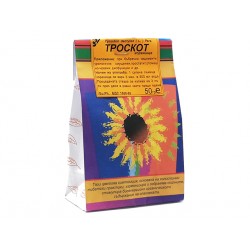 Bermuda grass (Cynodon dactylon), dried root, 50 g
 1,70 €
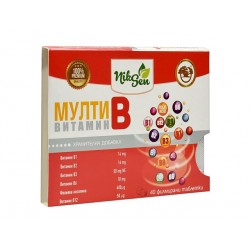 Multivitamin B, Niksen, 40 tablets
 2,56 €
 Man Skin Support cream, Hristina, 100 ml
 7,30 €
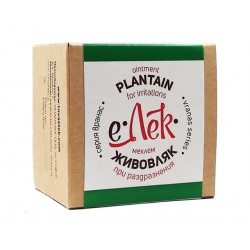 Plantain ointment, for irritations, eLek, 20/40 ml
 5,80 €
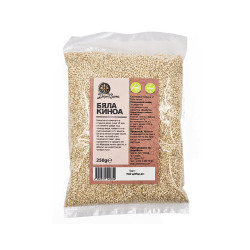 White Quinoa - seeds, DaroVita, 250 g
 1,76 €
 Toothpaste with Sea Minerals and Spirulina, 65 ml
 3,20 €
 Rock Rose, herbal tincture, Herbalkan, 50 ml
 10,23 €
 Magnesium, food supplement, 30 softgel capsules
 3,30 €
 Black hawthorn - fruit with leaves, Biotea, 100 g Nettle (Urtica Dioica), dried leaves, seeds or root, Bilkaria, 50/30/40 g
 1,30 €