Dandelion
Taraxacum officinale Weber
Other names: Common Dandelion, Lion's-tooth, Blowball
History and origin:
Dandelion (Taraxacum officinale) is one of the most recognizable wild plants in Europe and has a long history both as a food plant and as a traditionally used medicinal herb. It belongs to the Asteraceae family and has been part of the traditional herbal medicine of various European peoples for centuries.
The name of the genus Taraxacum is associated with ancient descriptions of the plant's medicinal properties, while the English name Dandelion comes from the Old French "dent de lion" - "lion's tooth", referring to the characteristic toothed shape of its leaves. Dandelion has been valued not only as a herb but also as a food - young leaves have traditionally been used in salads, while the dried and roasted root is known as a natural coffee substitute.
In traditional European herbal practice, different parts of dandelion have been used for different purposes. The root is traditionally associated primarily with the digestive system, appetite and bile function, while the aerial parts and leaves have more commonly been used to support normal urine production.
Description of the plant:
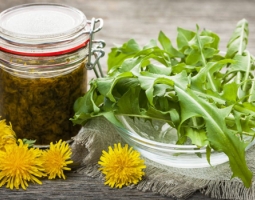
Dandelion is a perennial herbaceous plant that usually grows up to about 30 cm in height. It forms a characteristic rosette of leaves, from the center of which emerges a hollow flowering stem. A single bright yellow flower head develops at the top of each stem.
The leaves are elongated and deeply lobed, with characteristic pointed sections resembling teeth. The underground part of the plant consists of a short rhizome developing into a thick, fleshy, spindle-shaped root. When damaged, the plant releases a white milky sap.
Dandelion has a long flowering period - from early spring until autumn. After flowering, the characteristic seeds with white parachute-like tufts develop, allowing the wind to aid the natural dispersal of the plant.
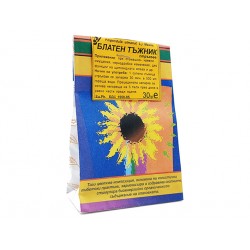
The Zdravnitza product is available in two variants according to the plant part used: dried dandelion stems and dried dandelion root. The two variants differ in their composition and traditional use.
Distribution in Bulgaria:
Dandelion is widely distributed throughout Bulgaria and can be found practically throughout the country. It grows in meadows, pastures, clearings, grassy slopes, along roads, in parks and gardens, as well as in other open grassy areas. The plant adapts to a variety of conditions and can be found both in lowland areas and in higher mountainous regions.
In Bulgaria, dandelion occurs at various elevations and can be found at altitudes of up to around 2500 metres. Its widespread distribution makes it one of the best-known wild medicinal plants in the country.
In Europe, dandelion is widely distributed and is characteristic of temperate climatic regions. It occurs throughout almost the whole of Europe, including Bulgaria, with its natural range extending from the southern parts of the continent to northern regions and eastwards towards Siberia. The plant is also found in many other parts of the world, where it has been introduced or has become naturalized.
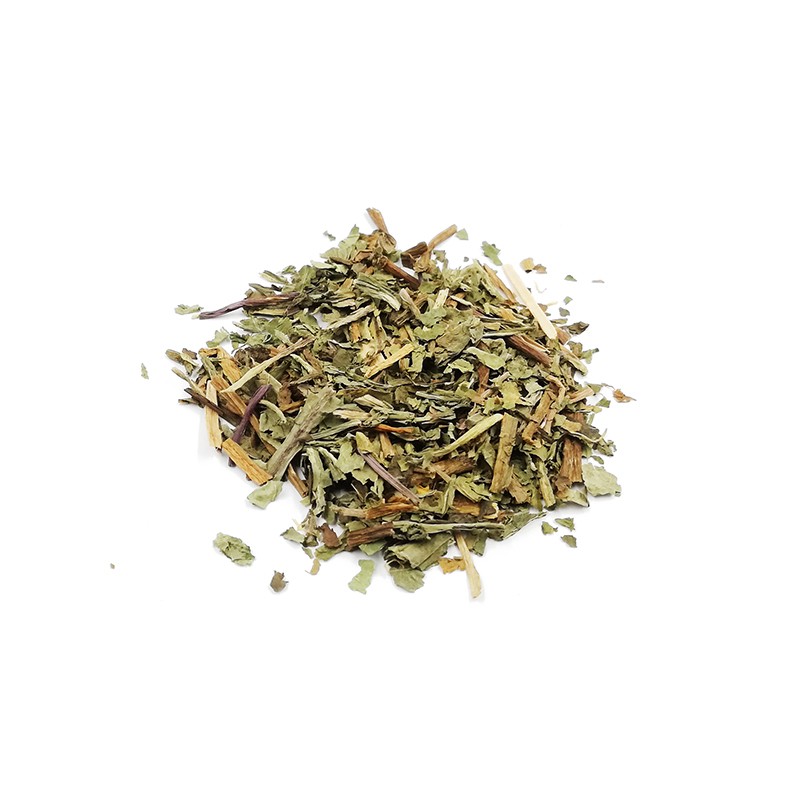
Dandelion - stems:
The aerial parts of dandelion have a long history of traditional use in herbal medicine. The stems and other aerial parts contain bitter compounds, flavonoids, minerals and other naturally occurring plant constituents. In traditional practice, the aerial parts of the plant are mainly used to prepare herbal infusions.
Traditionally, dandelion stems are associated with supporting normal urine production and maintaining digestive comfort. In Bulgarian folk medicine, the plant is also traditionally used for various complaints related to the digestive system, liver and bile.
The aerial parts are also traditionally used as a source of naturally occurring plant compounds and minerals. Fresh young dandelion leaves have a long history of use as food, including in salads, particularly in early spring.
European herbal practice also considers dandelion leaves primarily in connection with the urinary system. The European Medicines Agency has a separate herbal monograph for Taraxaci folium (Dandelion Leaf).
Dandelion - root:
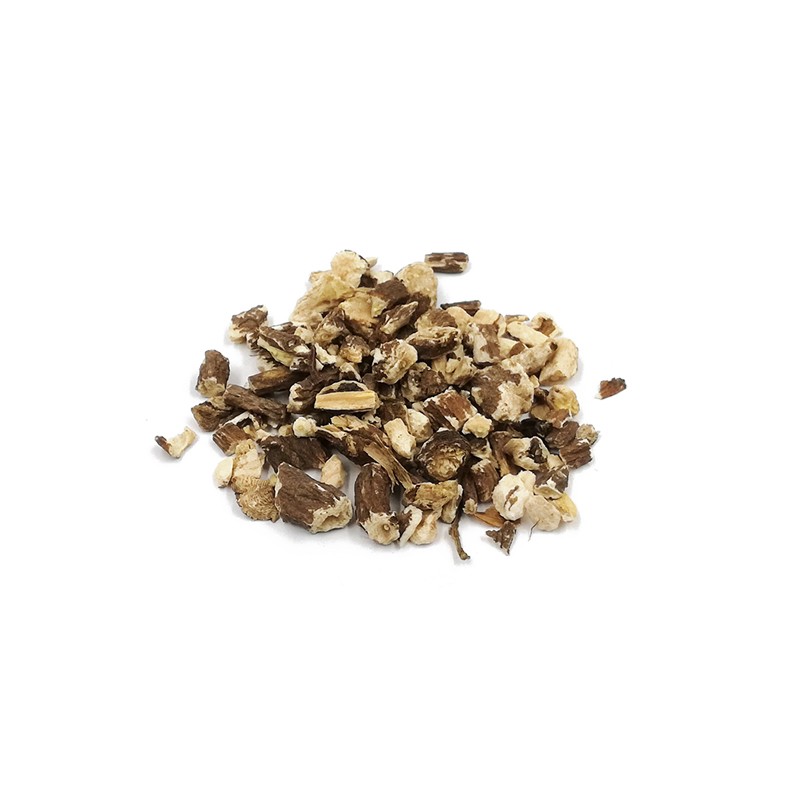
The root is one of the most valued parts of dandelion in traditional phytotherapy. It contains bitter compounds, inulin, phenolic compounds, minerals and other naturally occurring constituents. The composition of the root changes depending on the season, with the inulin content generally being higher in autumn.
In traditional herbal practice, dandelion root is mainly used to support digestion and appetite. The bitter compounds are traditionally associated with the use of the plant to support digestive processes and normal bile function.
The root also has a traditional use in connection with the urinary system. In European herbal medicine, dandelion has traditionally been used as part of herbal practices intended to support urine production and the normal function of the urinary tract.
Dandelion root is officially addressed by the European Medicines Agency within a European herbal monograph, which describes traditional uses related to loss of appetite, mild digestive complaints and the urinary system.
What is the difference between dandelion stems and dandelion root?
Although they come from the same plant, the stems and root are not identical as herbal raw materials. They differ in their chemical composition and traditional uses.
Dandelion stems are mainly used as a herbal infusion and are traditionally associated with supporting urine production, digestive comfort and general herbal toning.
Dandelion root is more commonly used to prepare cold infusions, decoctions and other herbal preparations and is traditionally associated with appetite, digestion, bile function and urine production.
The choice between the two variants depends on which part of the plant you prefer and which traditional use you are looking for.
Dandelion in Bulgarian folk medicine:
Dandelion has a long-established place in Bulgarian folk medicine. It has traditionally been used for various digestive complaints, to support appetite and digestion, as well as in practices aimed at maintaining normal liver and bile function.
The root has been particularly widely used. In traditional herbal recipes, it is prepared as a cold infusion or herbal infusion and consumed in small amounts throughout the day. The aerial parts are also used to prepare infusions, while fresh young leaves are known as a food plant as well.
The historical use of dandelion in Central and Eastern Europe also includes traditional applications for various digestive complaints. The plant was also used as food during periods when wild plants were an important source of nutrients. Modern reviews of ethnobotanical literature confirm the widespread traditional use of dandelion in the region.
Composition and characteristic plant compounds:
Different parts of dandelion contain different groups of naturally occurring plant compounds. The root is characterized by inulin, bitter compounds, phenolic acids, triterpenes, sterols, sugars and other constituents.
The aerial parts contain flavonoids, carotenoids, minerals and other naturally occurring plant compounds. The milky sap of the plant contains latex and triterpene components.
The chemical composition of dandelion is one of the reasons why the plant has been widely studied. However, the presence of individual compounds should not automatically be interpreted as evidence of a specific therapeutic effect in humans.
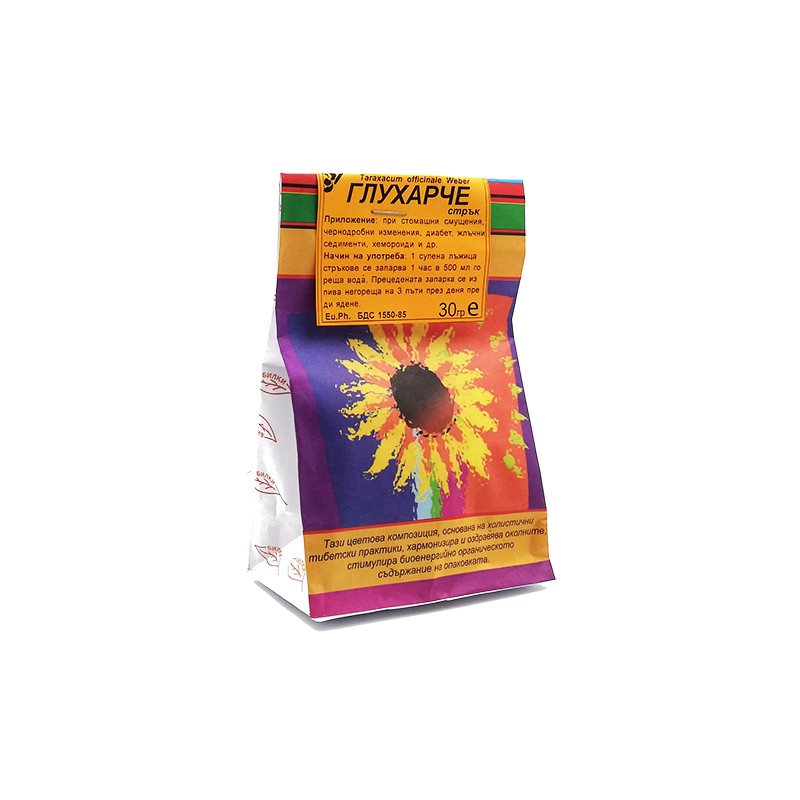
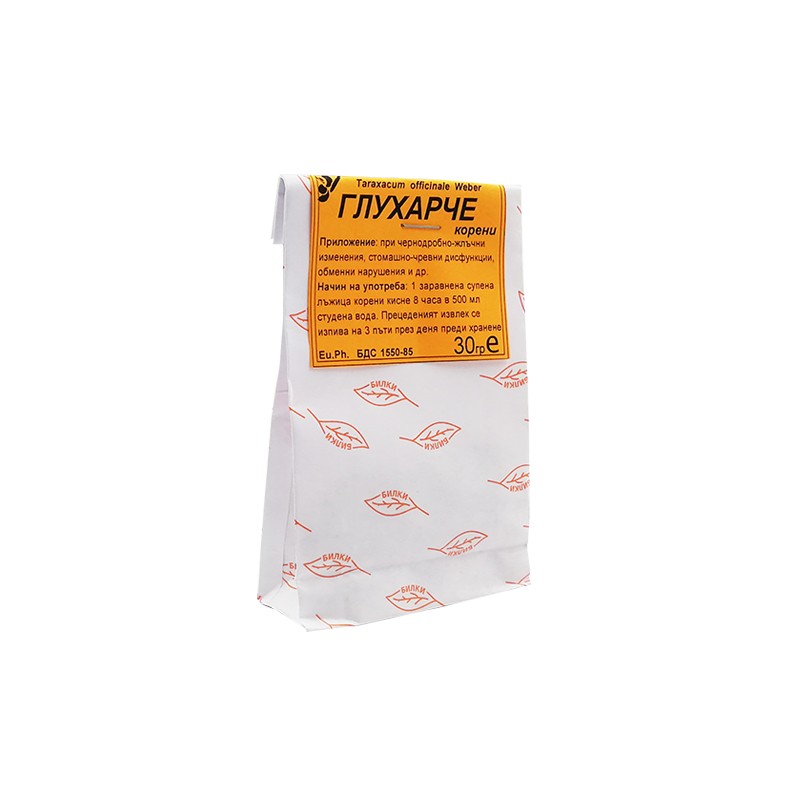
Dandelion - dried stems or root
Use: as a traditional herbal aid for digestive discomfort, liver-related complaints, diabetes, biliary sediment, haemorrhoids and more.
Preparation:
Dandelion - stems: Infuse 1 tablespoon of dried stems in 500 ml of hot water for 1 hour. Strain and drink in 3 portions throughout the day, before meals.
Dandelion - root: Soak 1 tablespoon of dried root in 500 ml of cold water for 8 hours. Strain and drink in 3 portions throughout the day, before meals.
Packaging: 30 g
Frequently Asked Questions (FAQ):
What is the difference between dandelion stems and dandelion root?
Both products come from the same plant - Taraxacum officinale - but they represent different parts of the plant. The stems are part of the aerial portion of the plant and are traditionally used mainly as an infusion, while the root is a denser herbal raw material traditionally used for cold infusions and other herbal preparations.
Which dandelion variant should I choose - stems or root?
The choice depends on the intended traditional use. If you are looking for dandelion traditionally associated primarily with urine production and herbal infusions, you may prefer the stems. The root is a more suitable choice for traditional use associated with appetite, digestive comfort and bile function.
What is dandelion root traditionally used for?
Dandelion root is traditionally used to support digestion and appetite, as well as in connection with normal bile function and urine production. The European Medicines Agency addresses dandelion root within a European herbal monograph.
What are dandelion stems traditionally used for?
The stems and other aerial parts of dandelion are traditionally used mainly to prepare herbal infusions. Traditional use is associated with urine production, digestive comfort and the general use of dandelion as a medicinal herb.
Can dandelion be used as a tea?
Yes. Dried dandelion stems can be used to prepare an infusion, while the root can be used for a cold infusion or other traditional herbal preparations. For the Zdravnitza product, follow the preparation method indicated on the product page according to the selected variant.
Does dandelion root contain inulin?
Yes. Inulin is one of the characteristic components of dandelion root, although its content may vary depending on the season and growing conditions.
Is dandelion suitable for sensitive stomachs?
Dandelion is traditionally used to support digestion, but its bitter compounds may cause stomach discomfort in some people. If you are sensitive to the plant or have an existing medical condition, consultation with a doctor or pharmacist is recommended.
Are there any contraindications when using dandelion?
Dandelion is not suitable for everyone. Particular caution is required in cases of diseases or obstruction of the bile ducts, gallstones, or a known allergy to plants from the Asteraceae family. If you are taking medication or have a chronic medical condition, consultation with a doctor or pharmacist is recommended.