
Speedy
To a locker
- Up to 3 kg From 30 EUR
- Over 3 kg From 50 EUR
To an office
- Up to 3 kg From 40 EUR
- Over 3 to 20 kg From 50 EUR
- Over 20 kg From 100 EUR
To an address
- Up to 10 kg From 60 EUR
- Up to 20 kg From 100 EUR


No products
2,40 €
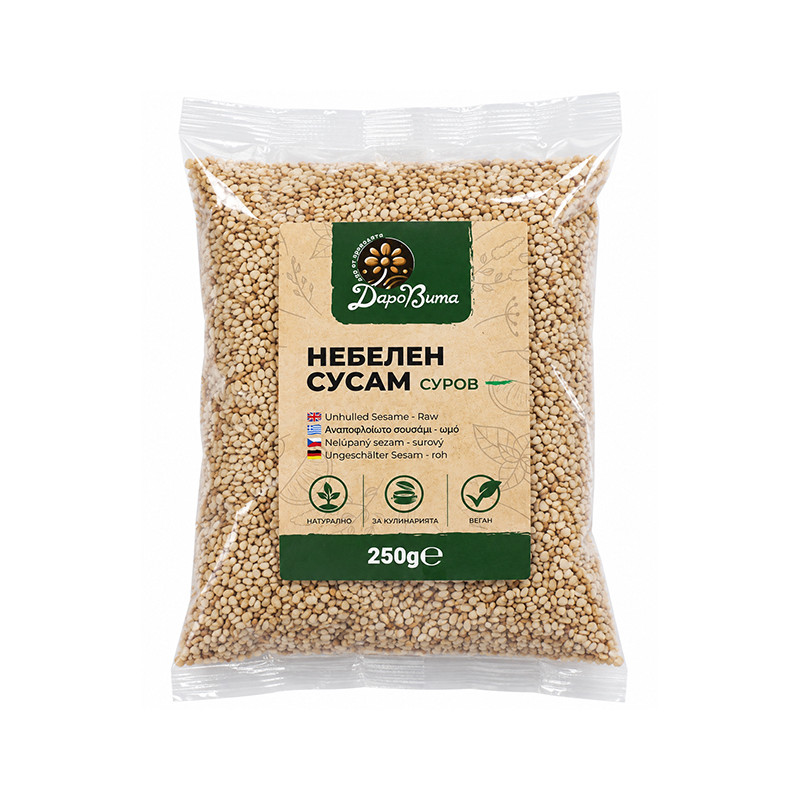
DaroVita Unhulled Sesame Seeds are 100% natural, raw sesame seeds (Sesamum indicum) with their natural outer hull intact. Sesame seeds are a valuable plant-based food that has been known to humans for thousands of years and is widely used in the cuisines of Asia, the Middle East, the Mediterranean and North Africa.
Unhulled sesame has a characteristic mildly nutty taste and pleasant aroma. It can be used directly as an addition to salads, soups, vegetables, side dishes and baked goods, as well as for preparing homemade sesame tahini, desserts, sauces and a variety of culinary recipes.
Sesame seeds are a natural source of plant proteins, fats and dietary fibre, as well as a range of minerals, including calcium, magnesium, iron, phosphorus, copper, manganese and zinc.
Sesame (Sesamum indicum) is an annual herbaceous plant from the sesame family (Pedaliaceae). It has been cultivated since ancient times for its small oil-rich seeds, which are among the oldest known plant sources of edible oil.
Sesame plants produce characteristic elongated pods containing numerous small seeds. Depending on the variety, the seeds may be white, cream, brown, black or various intermediate shades.
Unhulled sesame refers to seeds whose natural outer hull has not been removed. Both the hull and the seed itself contain various nutrients, including minerals, fibre and plant compounds characteristic of sesame.
Sesame is one of the oldest crops cultivated by humans. Its history is associated with the ancient civilizations of Africa and Asia, and the plant gradually spread to India, China, the Middle East, the Mediterranean and other warm regions of the world.
Thanks to its high oil content and good storage properties, sesame seeds became an important food crop. They are used both whole and ground, and are also used to produce aromatic sesame oil.
In the ancient cuisines of the Middle East and the Mediterranean, sesame became an important ingredient in various pastes, sauces and sweet products. In Asia, it is widely used in the preparation of dishes, baked goods and traditional desserts.
Since ancient times, sesame has been valued not only for its taste but also for its nutritional value and high content of plant oil. The seeds have been used in various ways as part of everyday food.
This long history has made sesame one of the most recognizable oilseed and food crops in the traditional cuisines of many cultures.
Sesame seeds have a concentrated nutritional profile. They contain significant amounts of plant fats, proteins and dietary fibre, making them suitable for inclusion in a varied and balanced diet.
100 g of unhulled sesame contains approximately 17.7 g of protein, 49.7 g of fat and 11.8 g of fibre. The energy value is 573 kcal per 100 g, which is typical for oil-rich seeds.
Sesame fats consist mainly of unsaturated fatty acids, including oleic and linoleic acid. In addition to fats, the seeds provide plant proteins and dietary fibre.
Unhulled sesame is particularly interesting for its mineral content. Among the most notable are calcium, magnesium, iron, phosphorus, copper, manganese and zinc.
Minerals are involved in numerous normal physiological processes in the body. Copper, for example, contributes to normal iron transport and the normal functioning of the nervous system, magnesium contributes to normal energy metabolism and normal functioning of the nervous system, while zinc contributes to the normal function of the immune system.
The content of individual nutrients may vary depending on the sesame variety, origin, growing conditions and processing method.
One of the characteristic features of sesame seeds is their content of natural plant compounds known as lignans. Among the best known are sesamin and sesamolin.
Sesame lignans are the subject of scientific interest because of their various biological activities. They are a natural part of sesame seeds and contribute to the characteristic profile of the plant as an oilseed crop.
Sesame also contains other natural plant compounds, including phytosterols and phenolic compounds. The amount of these components depends on the variety, origin and processing method of the seeds.
Unhulled sesame contains a significant amount of dietary fibre. Fibre is a natural component of plant-based foods and an important part of a varied diet.
Including fibre-rich foods in the daily diet contributes to dietary variety. Sesame seeds can easily be combined with other sources of fibre such as vegetables, fruits, whole grains, legumes and nuts.
Sesame seeds are an extremely versatile ingredient. They can be used both raw and lightly toasted, with heat treatment giving them a more intense aroma and pronounced nutty flavour.
Sesame holds a particularly important place in the cuisines of the Middle East and the Mediterranean. One of its best-known forms is tahini - a thick paste made from ground sesame seeds.
Tahini is a key ingredient in hummus and in various traditional sauces and dips. It is often combined with lemon juice, garlic, olive oil and spices, with the resulting mixture being used as a sauce or as part of various dishes and appetizers.
Sesame is also widely used in traditional sweet products. It is a key ingredient in various types of sesame halva, while the seeds are also used in numerous sweet and savoury baked goods.
Crispy sesame salad: sprinkle the finished salad with raw or lightly toasted sesame seeds and combine with olive oil, lemon juice and fresh vegetables.
Homemade hummus: use sesame tahini made from ground sesame seeds as the base for classic hummus with chickpeas, lemon, garlic and olive oil.
Sesame topping for baked goods: sprinkle bread, rolls, savoury pastries or homemade bread rolls with sesame seeds before baking.
Sesame breakfast: add sesame seeds to oatmeal, yoghurt, fruit, nuts or homemade muesli.
Aromatic side dish: lightly toasted sesame seeds can be added to rice, vegetables, noodles or other side dishes just before serving.
Homemade tahini: grind the sesame seeds in a powerful blender or food processor until you obtain a smooth or coarser sesame paste, according to your preference.
Sesame seeds can be used both raw and lightly toasted. When briefly toasted in a dry pan or in the oven, they develop a more intense nutty aroma. It is recommended to monitor the process carefully, as the small seeds can darken quickly.
For a varied diet, combine sesame with other seeds, nuts, whole-grain products, vegetables and legumes. Thanks to its neutral, mildly nutty taste, sesame can easily be incorporated into both savoury and sweet recipes.
When preparing homemade tahini, the seeds can be gradually ground until their natural oil is released and a creamy sesame paste is obtained.
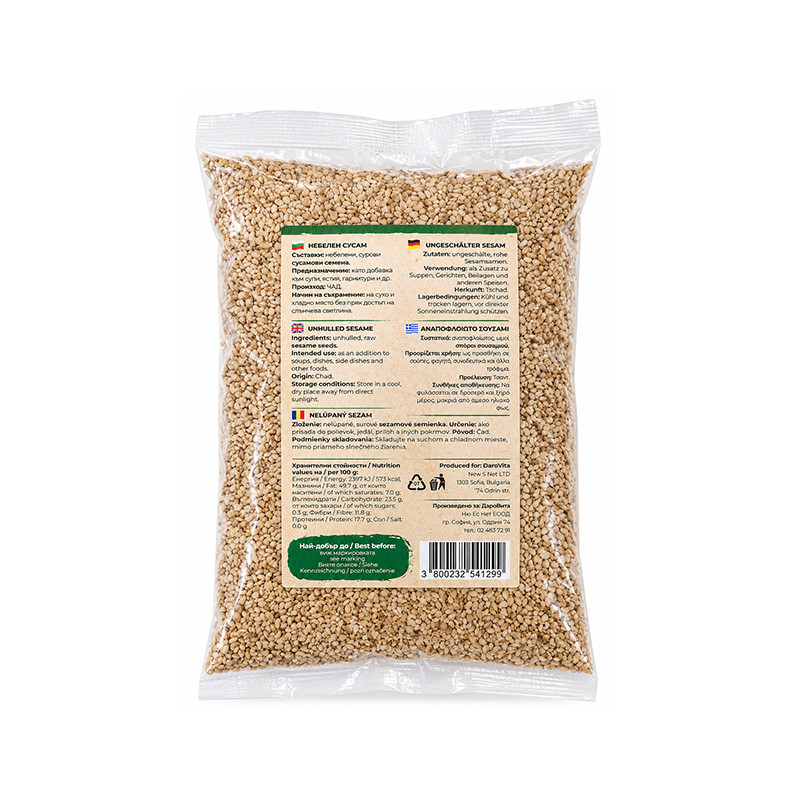
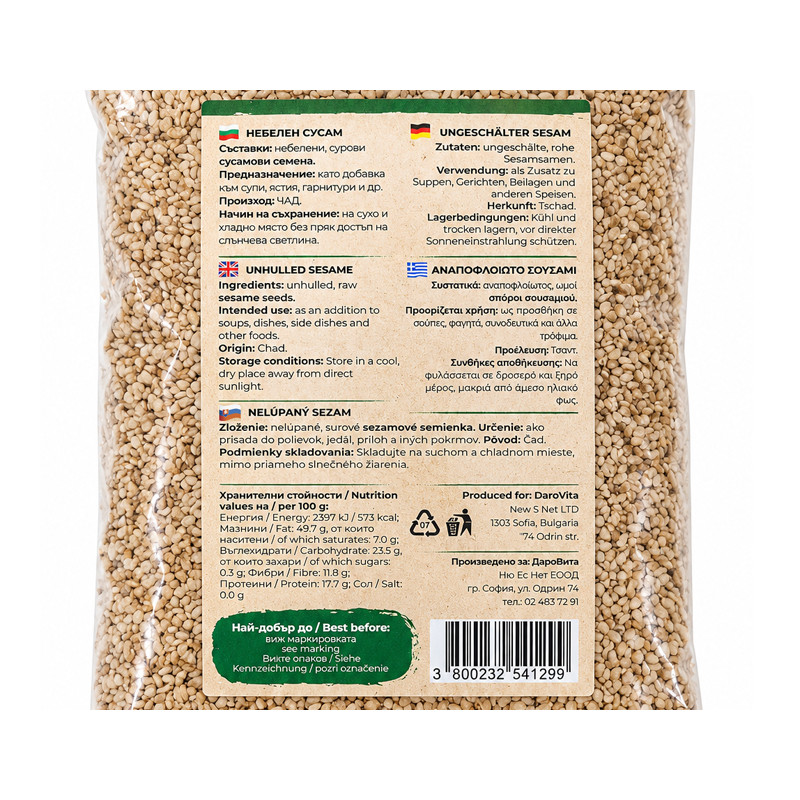
Unhulled, raw sesame seeds (Sesamum indicum).
Allergen: sesame.
Energy: 2397 kJ / 573 kcal
Fat: 49.7 g
of which saturates: 7.0 g
Carbohydrates: 23.5 g
of which sugars: 0.3 g
Fibre: 11.8 g
Protein: 17.7 g
Salt: 0.0 g
Use as an addition to salads, dishes, soups, side dishes, baked goods and other culinary recipes.
Can be added to shakes, smoothies, oat-based breakfasts, muesli and homemade mixes.
Suitable for preparing homemade sesame tahini after grinding.
Store in a cool, dry place, protected from direct sunlight and moisture. Close the package tightly after use.
Store in a dry and cool place away from direct sunlight. After opening, close the pouch securely to limit exposure to moisture and air and help preserve the quality and aroma of the seeds.
Strong and reliable packaging: DaroVita Unhulled Sesame is protected in a thick and durable heat-sealed pouch. The thicker material provides excellent mechanical protection, helps prevent the pouch from tearing easily and contributes to better storage and preservation of the quality of the raw material.
Packing: 250 g
What are unhulled sesame seeds?
Unhulled sesame consists of whole sesame seeds (Sesamum indicum) whose natural outer hull has not been removed. They have a characteristic mildly nutty taste and are suitable for direct culinary use.
What is the difference between hulled and unhulled sesame?
With hulled sesame, the natural outer hull of the seed has been removed, while with unhulled sesame it is retained. As a result, the two types may differ in colour, taste, texture and nutritional composition.
What do unhulled sesame seeds taste like?
Unhulled sesame has a characteristic mildly nutty, full-bodied taste and pleasant aroma. When lightly toasted, the aroma becomes more intense and pronounced.
Can unhulled sesame be eaten raw?
Yes. Raw sesame seeds can be added directly to salads, breakfasts, smoothies, baked goods and various dishes.
Is sesame suitable for making tahini?
Yes. Unhulled sesame seeds can be ground into a sesame paste. The resulting tahini has a fuller taste and more distinctive aroma.
Does sesame contain gluten?
Sesame itself is naturally gluten-free. For products intended for people with specific dietary restrictions, it is important to also consider the possibility of cross-contact during processing and packaging.
What nutrients do unhulled sesame seeds contain?
Sesame seeds contain plant proteins, fats and dietary fibre, as well as minerals such as calcium, magnesium, iron, phosphorus, copper, manganese and zinc. They also contain natural plant compounds, including sesamin and sesamolin.
How is sesame used in cooking?
It can be added to salads, soups, vegetables, rice, side dishes, baked goods, breakfasts, smoothies and desserts. It is also used to prepare tahini, hummus, sauces and various traditional recipes.
Can sesame seeds be toasted?
Yes. Briefly toasting sesame seeds in a dry pan or in the oven enhances their characteristic nutty aroma. They should be monitored carefully, as the small seeds can burn quickly.
What is sesamin?
Sesamin is a natural plant compound from the lignan group that is characteristic of sesame seeds. Together with sesamolin, it is one of the most studied plant compounds naturally present in sesame.
What is the mineral composition of sesame?
Sesame seeds are a natural source of a range of minerals, including calcium, magnesium, iron, phosphorus, copper, manganese, selenium and zinc.
How much sesame should I use?
The amount depends on the specific recipe and personal preference. Usually, a few teaspoons are enough to flavour a salad, side dish, breakfast or baked good.
Does sesame contain allergens?
Yes. Sesame is one of the foods that can cause allergic reactions in sensitive individuals. People with a known sesame allergy should not consume this product.
Hulled sesame seeds are easier to digest, as the shell, which contains indigestible substances, has been removed. They have a milder and sweeter flavor.
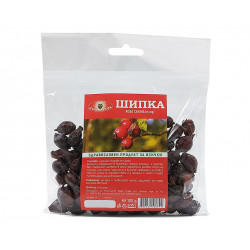 Rosehip fruits, dried, Longevity Series, 100 g
 1,28 €
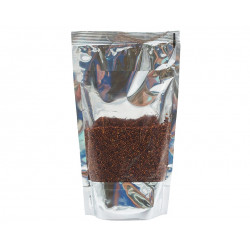 Red Quinoa, seeds, Pimenta, 250 g
 2,15 €
 American cranberry, sweetened, Pimenta, 100 g
 1,60 €
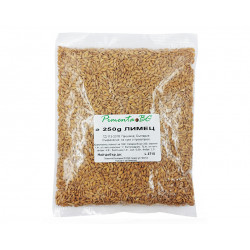 Einkorn - whole grain, Pimenta, 250 g
 1,20 €
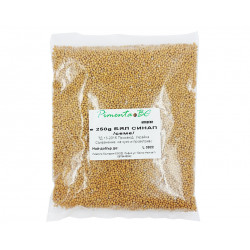 White Mustard - seeds, Pimenta, 250 g
 1,20 €
 Poppy seed, Pimenta, 100 g
 1,10 €
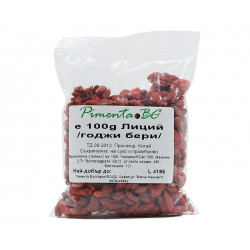 Lycium (Goji berry), dried fruit, Pimenta, 100 g
 2,40 €
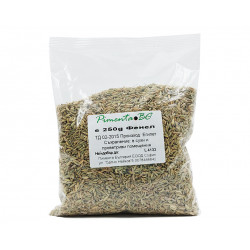 Fennel - seeds, Pimenta, 250 g
 1,80 €
 Fenugreek - seeds, Pimenta, 250 g
 1,50 €
 BIO Rye - grains, Bio Klasa, 500 g
 1,30 €
 Organic Brown Lentils, Bio Klasa, 500 g
 2,80 €
 Flaxseed - crushed, DaroVita, 200 g
 1,90 €
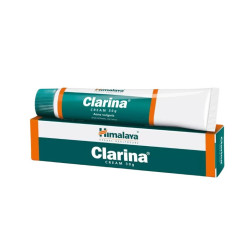 Clarina, anti acne cream, Himalaya, 30 g
 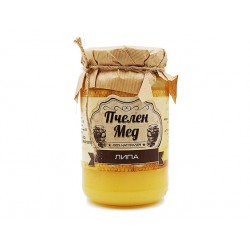 Bulgarian Honey - Linden, natural, Ambrozia, 450 g
 5,20 €
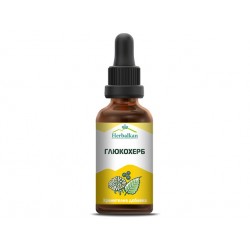 Glucoherb, herbal tincture, Herbalkan, 50 ml
 7,16 €
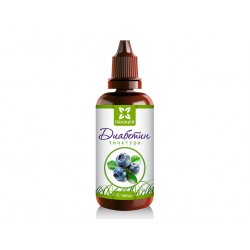 Diabetin, herlab tincture, Panacea, 100 ml
 5,90 €
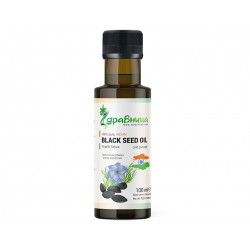 Black Seed Oil (Black Cumin), cold pressed, Zdravnitza, 100 ml
 8,50 €
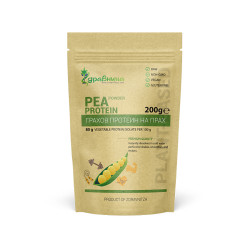 Pea Protein Powder 80%, Zdravnitza, 200 g
 5,80 €
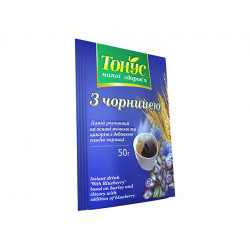 Instant drink with chicory, barley and blueberry, Tonus, 50 g
 0,90 €
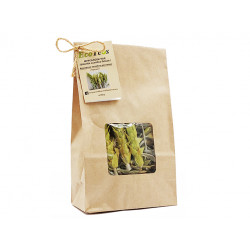 Mountain tea, pure and dried, cut stalks, EcoTeas, 20 g
 1,90 €