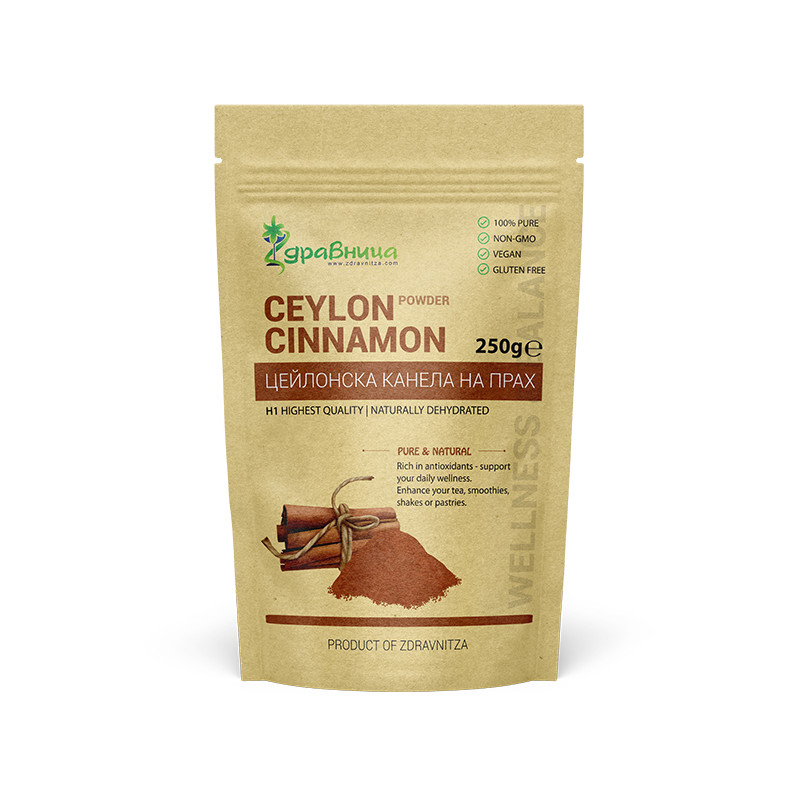
- 100% natural product
- Genuine Ceylon cinnamon (Cinnamomum verum)
- H1 grade raw material
- Hand-packed
- GMO-free! No added sugar!
Discover the delicate, sweet and spicy taste and distinctive warm aroma of genuine Ceylon cinnamon. Zdravnitza Ceylon Cinnamon Powder is suitable for everyday use as a traditional natural remedy and in cooking - from aromatic coffee, tea and breakfast dishes to homemade desserts, baked goods, sauces and meat dishes.
Ceylon cinnamon, also known as true cinnamon, is valued for its distinctive aroma, delicate flavour and naturally occurring plant compounds. Unlike the more common cassia cinnamon, it generally contains significantly lower amounts of coumarin - a naturally occurring compound that may pose a risk to the liver when consumed in excessive amounts, particularly by sensitive individuals.
History and origin of Ceylon cinnamon:
The history of cinnamon dates back thousands of years. In ancient times, its aromatic bark was a highly prized spice and trading commodity, transported along distant trade routes connecting Asia, the Middle East and Europe. Its rich aroma and ability to enhance the flavour of food have made it one of the most iconic spices in culinary traditions around the world.
True Ceylon cinnamon originates from Sri Lanka, an island formerly known as Ceylon. The botanical name of the plant is Cinnamomum verum, although it is also known in botanical literature and trade by its older name, Cinnamomum zeylanicum. It belongs to the laurel family (Lauraceae).
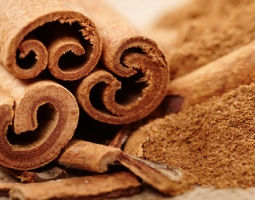
The cinnamon tree is an evergreen tropical plant. The inner bark is used to produce the spice. After the bark is carefully removed and processed, its thin layers are rolled into characteristic multi-layered quills and left to dry. This bark, finely ground into powder, gives Ceylon cinnamon its distinctive aroma and flavour.
During the 16th and 17th centuries, control over the cinnamon trade was an important economic interest for European maritime powers in the region. The Portuguese, followed by the Dutch, played a significant role in the development of the Ceylon cinnamon trade. Systematic cultivation later expanded, helping establish cinnamon as one of Sri Lanka's best-known agricultural crops.
Today, Ceylon cinnamon is used worldwide in baking, traditional cuisines, aromatic drinks and various herbal and spice blends. It is a popular choice among those seeking authentic botanical origin and a more delicate aromatic profile.
Ceylon cinnamon or cassia - what is the difference?
Different types of cinnamon are sold under the general name "cinnamon". The two most common are true Ceylon cinnamon and cassia cinnamon. Although they have similar culinary uses, they differ in botanical origin, aroma, bark structure and the levels of certain naturally occurring compounds.
- Botanical origin: Ceylon cinnamon is Cinnamomum verum, while cassia cinnamon usually refers to species such as Cinnamomum cassia, also known as Cinnamomum aromaticum.
- Taste and aroma: Ceylon cinnamon has a more delicate, mild and sweet aroma, whereas cassia is generally stronger, sharper and more pungent.
- Bark structure: Ceylon cinnamon quills are usually made up of multiple thin layers, while cassia has thicker, harder bark.
- Coumarin content: True Ceylon cinnamon generally contains much less coumarin than cassia. However, the amount may vary depending on the origin and the specific batch.
- Culinary use: Both types can be used in desserts, drinks and savoury dishes. Ceylon cinnamon is particularly suitable when a finer, more balanced aroma is desired.
Why choose Ceylon cinnamon? If you enjoy cinnamon and want to use it regularly as a spice, true Ceylon cinnamon is an excellent choice thanks to its delicate flavour and naturally lower coumarin content compared with cassia. This does not mean that it can be consumed without limits, but it is a useful consideration when choosing cinnamon for everyday cooking.
What does H1 grade mean?
H1 is a designation used in the commercial classification of Ceylon cinnamon, known as the Hamburg grading system. It refers to the characteristics of cinnamon quills before they are ground into powder and is associated with parameters such as bark thickness, structure and appearance.
Various commercial grades of Ceylon cinnamon exist, including Alba, C5, C4 and grades in the H group. These do not represent different plant species, but rather different categories of raw material based on established commercial criteria. Once the cinnamon has been ground into powder, consumers can no longer directly assess the visual differences between the original quills.
When choosing Ceylon cinnamon, it is important to distinguish between the raw material grade, botanical origin and laboratory-tested safety and purity parameters.
Zdravnitza Ceylon Cinnamon Powder is made from H1-grade raw material. This describes the commercial grade of the raw material used and provides additional information about the product and its origin.
Ceylon cinnamon - nutritional qualities and valuable plant compounds:
Cinnamon is more than an aromatic spice. It contains naturally occurring plant compounds, including polyphenols and aromatic substances, which are the subject of scientific research. It is also a source of dietary fibre and contains minerals such as manganese, calcium and iron.
The amount of cinnamon normally added to a serving of food is relatively small. It is therefore best viewed as a valuable part of a varied diet rather than as a significant standalone source of vitamins and minerals or a substitute for a balanced diet.
Potential health benefits of Ceylon cinnamon:
1. Antioxidant properties
Cinnamon contains naturally occurring plant polyphenols that are studied for their antioxidant activity. Antioxidants are involved in the mechanisms through which the body protects itself against the effects of free radicals. This is one reason cinnamon is of interest as part of a varied diet rich in fruit, vegetables, spices and other plant-based foods.
2. Cinnamon and normal glucose metabolism
One of the most widely researched topics relating to cinnamon is its potential influence on blood glucose levels and markers of carbohydrate metabolism. Some clinical studies have reported changes in certain metabolic markers following cinnamon intake, but the results are mixed and depend on the type of cinnamon used, the amount consumed, the duration of use and the characteristics of the participants.
3. Supporting a balanced diet
Thanks to its naturally sweet aroma, cinnamon can make many dishes more enjoyable without the need to add extra sugar. It is suitable for oatmeal, yoghurt, fruit desserts, smoothies and homemade baked goods.
This approach may be helpful for people who want to gradually reduce added sugar in their diet without giving up sweet, aromatic flavours. However, cinnamon itself does not neutralise sugar in food or automatically make a dessert a low-sugar product.
4. Digestive comfort and traditional use
Cinnamon has been part of traditional cuisines and herbal practices for centuries. It is used in warm drinks and dishes that many people associate with a feeling of comfort after meals. Its aroma pairs well with ginger, cardamom, cloves and other spices.
5. Natural aromatic compounds and microbiological research
Some of the aromatic compounds in cinnamon, including cinnamaldehyde, have been studied for their antimicrobial activity under laboratory conditions. This is of interest to scientific research and to the development of various food-related and aromatic applications.
6. Coumarin - why the type of cinnamon matters
Coumarin is a naturally occurring compound found in various plants and spices. Cassia generally contains considerably more coumarin than Ceylon cinnamon. Long-term consumption of excessive amounts of coumarin may adversely affect the liver in sensitive individuals.
For this reason, true Ceylon cinnamon is often preferred by people who use cinnamon more frequently in cooking.
How to use Ceylon cinnamon powder?
Ceylon cinnamon is a versatile spice suitable for sweet and savoury recipes, drinks and aromatic homemade blends. Its mild, warm aroma pairs well with fruit and chocolate, as well as rice, vegetables, meat and various spices.
In hot drinks and teas
Add a small amount of cinnamon to tea, warm milk or a plant-based drink. It is suitable for homemade aromatic beverages with ginger, cardamom, cloves or vanilla. You can also add it to coffee, cappuccino or latte for a pleasant aroma without the need for an additional sweetener.
In breakfast dishes and smoothies
Sprinkle cinnamon over oatmeal, muesli, yoghurt, baked apples or fruit salad. Add a pinch to a smoothie made with banana, apple, pear or a plant-based drink. Cinnamon pairs particularly well with oats, nuts, tahini and dried fruit.
In cakes and desserts
Use it in cakes, biscuits, homemade cookies, pancakes, pastries, creams, fruit pies and rice desserts. It is also suitable for homemade granola, baked fruit, raw desserts and nut seasoning blends.
In savoury dishes
Cinnamon is used in cuisines around the world and is not limited to sweet recipes. A small amount can add depth of flavour to rice with vegetables, lentil and chickpea dishes, tomato sauces, marinades and meat dishes. It is suitable for recipes featuring Middle Eastern-inspired spices, where it can be combined with cumin, coriander, black pepper and paprika.
In homemade aromatic spice blends
Combine cinnamon with ginger, cardamom, cloves and nutmeg to create an aromatic spice blend for cakes, hot drinks and seasonal recipes. You can also add it to homemade mixtures for oatmeal or roasted nuts.
Ceylon cinnamon in homemade cosmetics:
Cinnamon is also known in traditional homemade cosmetic recipes for its distinctive aroma. However, it is important to distinguish between using it as a culinary spice and applying it to the skin. Ground cinnamon, and especially cinnamon essential oil, may cause irritation, redness or an allergic contact reaction.
An aromatic ingredient in homemade products
Cinnamon may be used as an aromatic ingredient in certain homemade cosmetic formulations, but it is not suitable for direct application to the face or for improvised masks intended to treat acne, inflammation or other skin problems. It should not be used on irritated, damaged or sensitive skin.
Scrubs and exfoliating blends
Recipes for homemade scrubs containing cinnamon, sugar and oils can be found online. Despite their popularity, cinnamon may irritate the skin, while rubbing powder particles against the skin can further aggravate sensitivity. For this reason, we do not recommend adding cinnamon directly to homemade facial or body scrubs without a reliable formulation and an appropriate safety assessment.
Practical tip: If you wish to make homemade cosmetics, use only ingredients suitable for the specific cosmetic formulation and ensure that its safety has been properly assessed. Do not apply cinnamon or cinnamon essential oil directly to the skin, and do not rely on it as a treatment for skin conditions.
Storage tips to preserve the aroma:
To preserve the characteristic aroma of Ceylon cinnamon powder, store it in a tightly sealed package in a cool, dry place, away from direct sunlight, moisture and strongly scented products. Ground spices have a larger surface area exposed to air than whole quills, making it especially important to reseal the package properly after use.
Always use a dry spoon and avoid introducing moisture into the package. This will help preserve the flavour and aroma throughout the storage period.
Intended use:
For direct consumption and culinary use. It has a distinctive sweet and spicy taste and a warm aroma.
Ingredients:
Ground Ceylon cinnamon bark (Cinnamomum verum / Cinnamomum zeylanicum).
Nutritional values per 100 g:
Energy: 1035 kJ / 247 kcal
Fat: 1.2 g
of which saturates: 0.3 g
Carbohydrates: 53 g
of which sugars: 2.2 g
Protein: 4 g
Salt: 0.02 g
Directions for use:
Add to taste to cakes, desserts, smoothies, liqueurs, meat and fish dishes, sauces and more.
Important recommendations:
Use cinnamon in customary culinary amounts. Do not consume large quantities of ground cinnamon on its own. Long-term consumption of large amounts may cause adverse reactions. If you have liver disease, are pregnant or breastfeeding, or take medication, consult a healthcare professional before using cinnamon in amounts exceeding those normally used in food.
Store in a dry and cool place away from direct sunlight. After opening, store in the original packaging or in an airtight container.
Packing: 250 g in a brown, high-quality kraft doypack pouch with zipper.
The packaging is made from a three-layer material (Kraft/ALU/CPP paper) with an aluminium barrier that provides maximum protection and long-lasting preservation of product freshness even after repeated opening.
EU Friendly Product: Original packaging includes a high-quality multilingual label in English, German, Greek, Slovak, Italian and Bulgarian.
Frequently asked questions (FAQ):
How can I identify genuine Ceylon cinnamon?
Check the botanical name on the label. True Ceylon cinnamon is Cinnamomum verum, also known as Cinnamomum zeylanicum. Colour, aroma or commercial grade alone are not sufficient to confirm its origin with certainty.
Is Ceylon cinnamon better than cassia?
Both types have similar culinary uses. Ceylon cinnamon generally has a milder aroma and naturally much lower coumarin content, which is why it is often preferred for more frequent culinary use.
What does H1 grade mean?
H1 is a commercial grade in the classification of Ceylon cinnamon that describes the characteristics of the raw material before grinding.
How should I use Ceylon cinnamon powder?
Add it to taste to coffee, tea, smoothies, oatmeal, yoghurt, cakes, desserts, sauces, rice and meat dishes. It is suitable for both sweet and savoury recipes.
Can it be used on the skin?
Cinnamon may cause irritation and allergic reactions when it comes into contact with the skin. Direct application or use in improvised homemade masks and scrubs is not recommended, especially on the face or sensitive skin.
How should I store cinnamon powder?
Keep it tightly sealed in a cool, dry place, away from direct sunlight and moisture. Use a dry spoon to help preserve the product's aroma and quality.